-
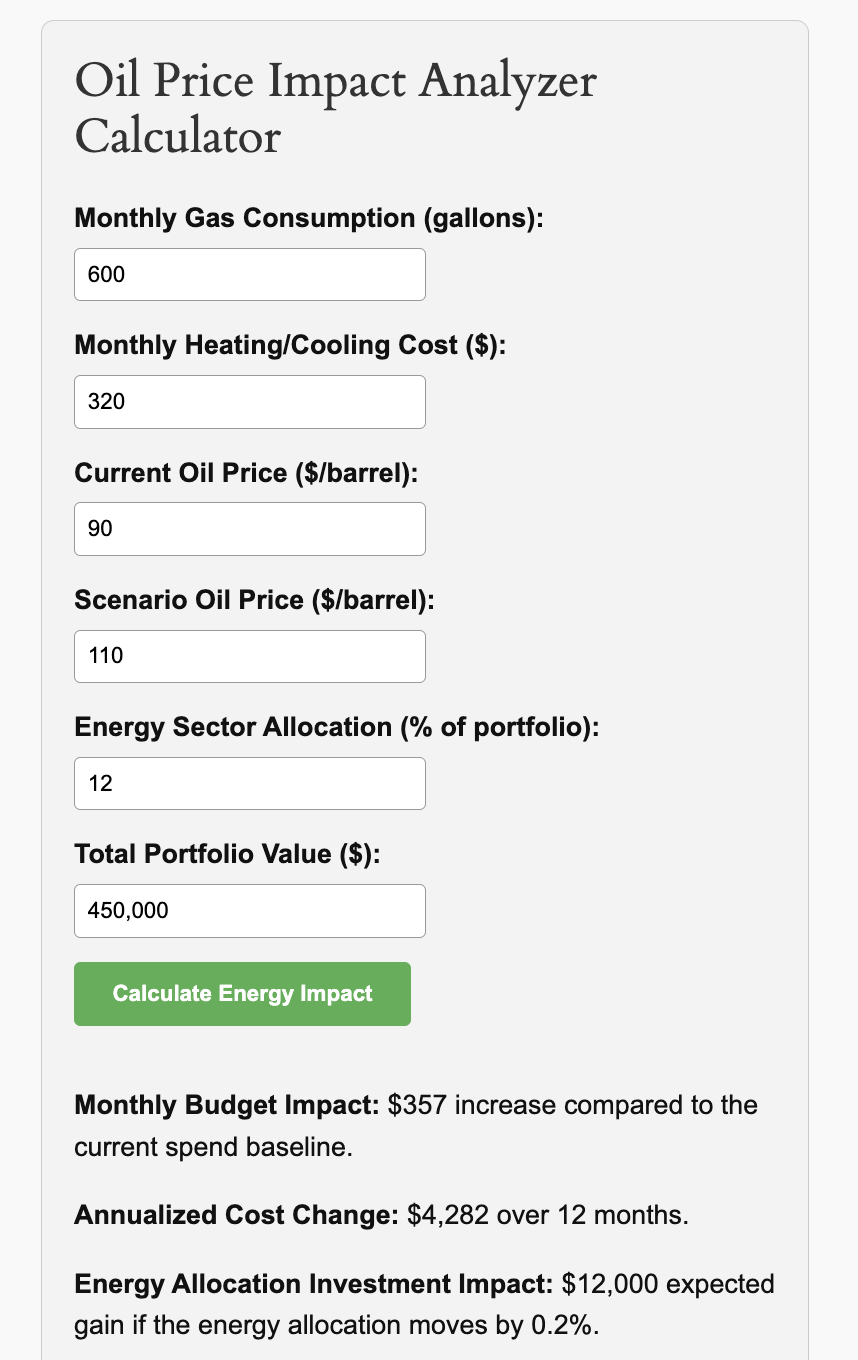
Oil Prices and Your Wallet
- Latest in Retirement Savings & Personal Finance
- Oil Prices and Your Wallet: Oil Price Impact Calculator
- Market Overview
-

Special Report: Iran War, Oil Price & Your Investments
- Special Report: Iran War, Oil Price & Your Investments
- Tools & Tips: Asset Location Calculator
- Market Overview
-
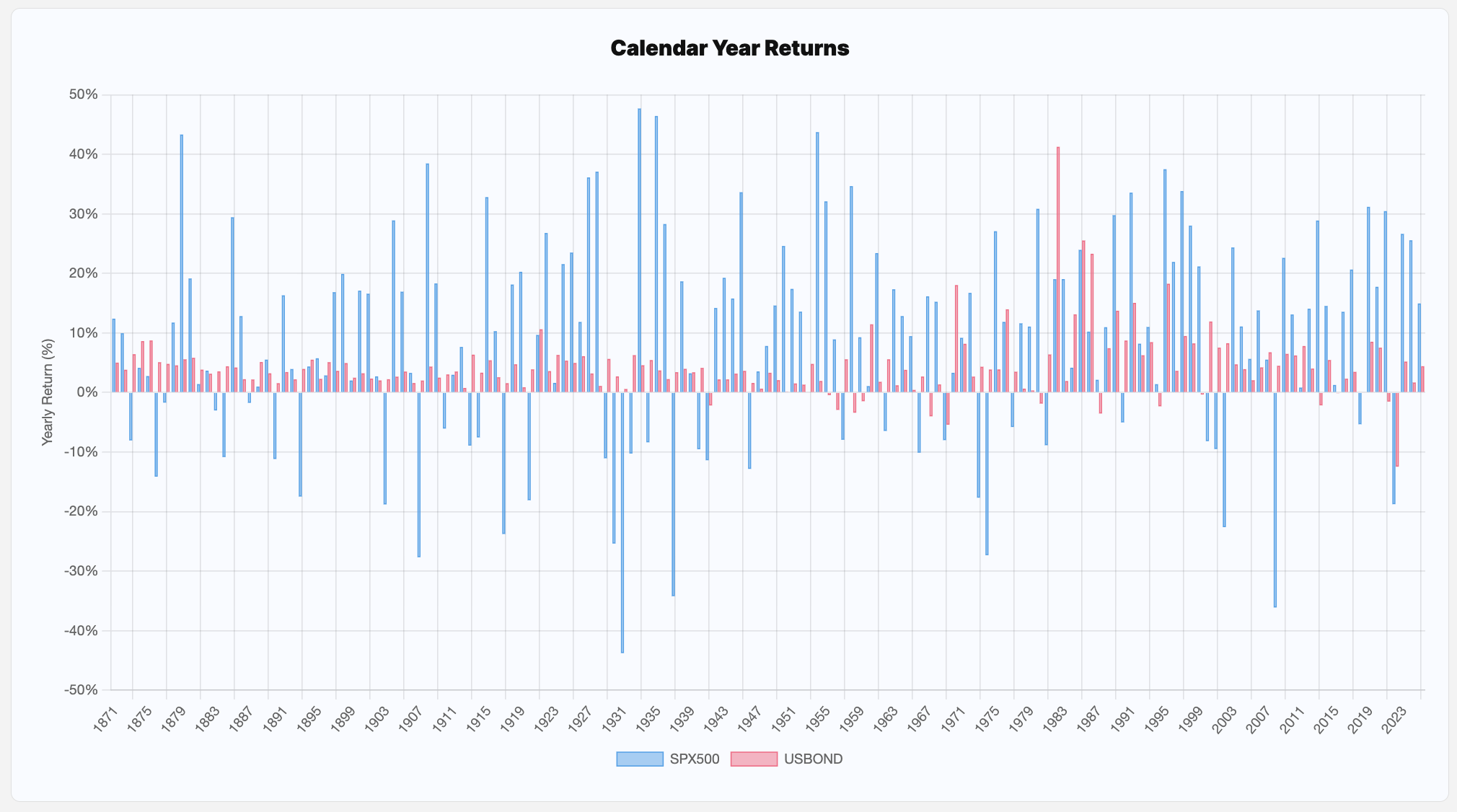
Layoff & Your Rights
- Latest in Retirement Savings & Personal Finance
- Layoff & Your Rights
- Tools & Tips: Very Long-Term Stock and Bond Return Data
- Market Overview
-

March 2026 MyPlanIQ Portfolio Update
- AI: Human Foes or Friends
- Interesting Funds Review: Closed-End REIT Funds
- Economic & Market Indicators
- Market Overview: the Federal Reserve
- Model Portfolios
- Funds to Watch
-

Homeowners Insurance Is No Longer a Small Bill, In Some States It Can Reach 1.5% to 3% of Home Value
Home insurance is now a serious housing expense. Using Bankrate March 2026 data, this article compares state premiums and shows why California can approach 1.0% to 1.5% with earthquake coverage and parts of Florida can reach 2% to 3% with flood coverage.
-
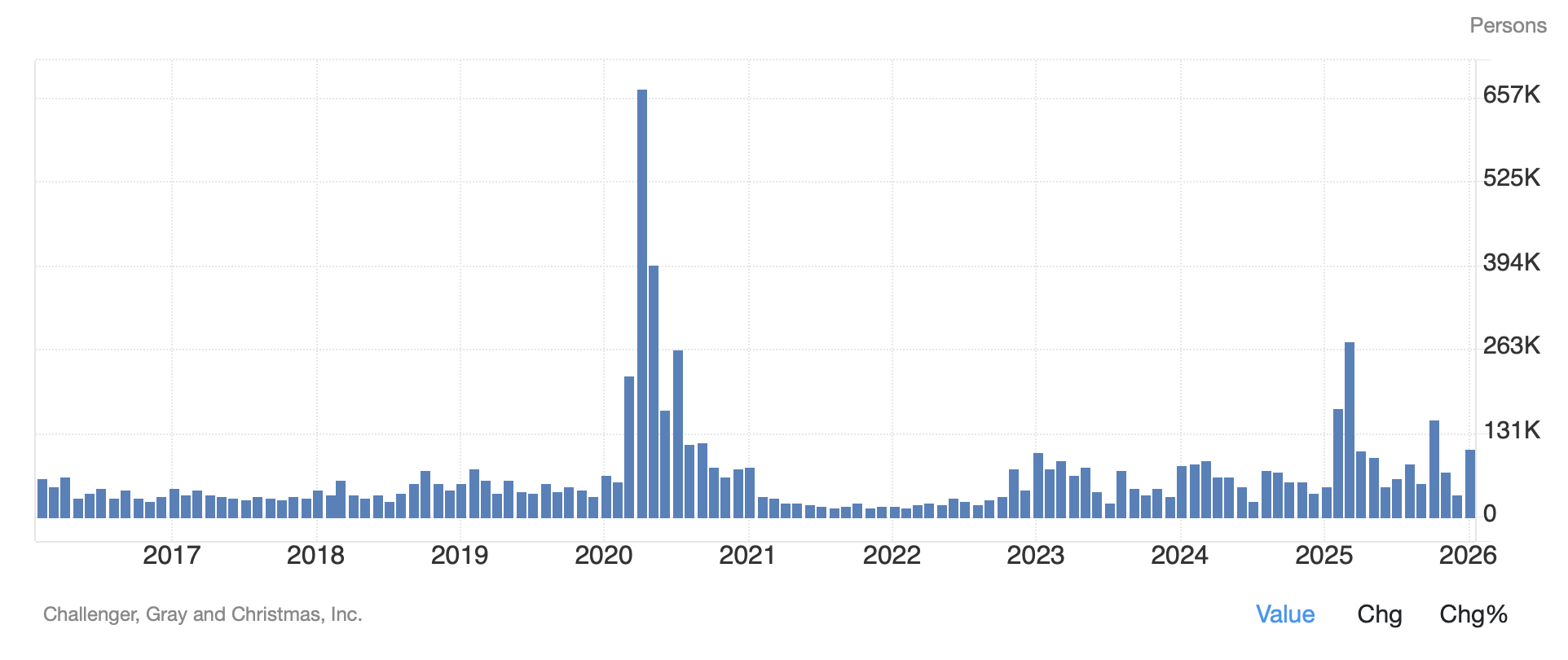
What to Know If You Are Laid Off: A Primer on Your Rights and Benefits
Layoffs are stressful, but early decisions on WARN pay, severance, health coverage, unemployment, and 401(k) vesting can materially affect your finances. This primer walks through what to check first and what to avoid.
-
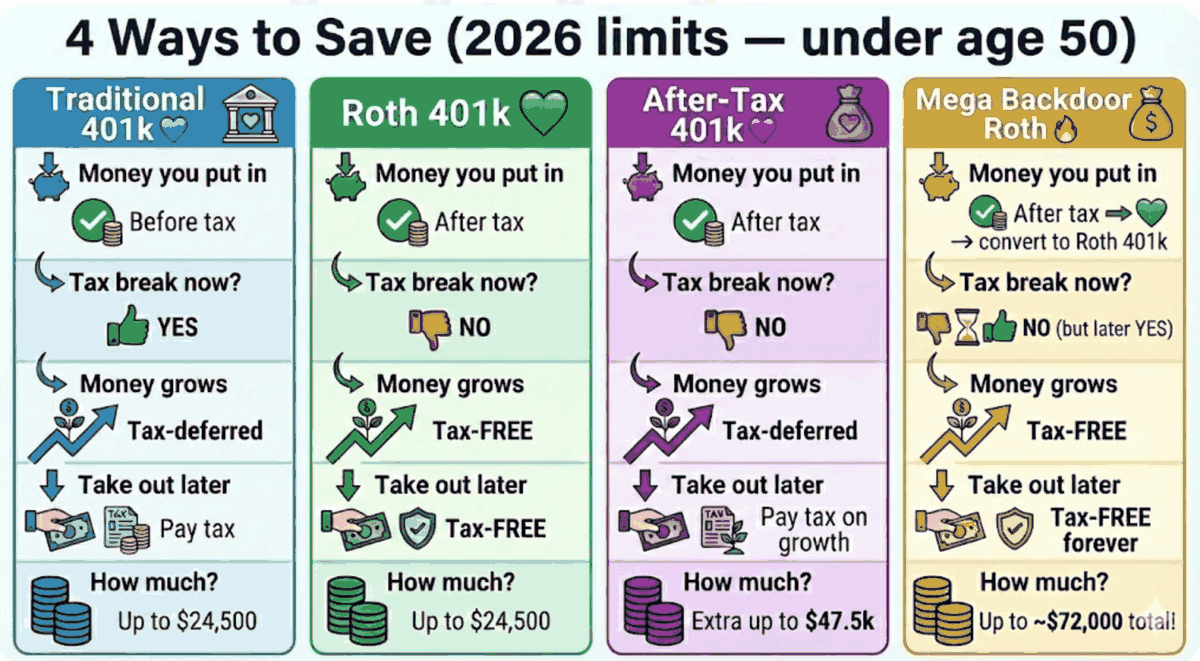
Understand Mega Backdoor Roth Conversion
- Latest in Retirement Savings & Personal Finance
- Understand Mega Backdoor Roth Conversion
- Tools & Tips: Backdoor Roth IRA Pro-Rata Conversion Calculator
- Market Overview
-
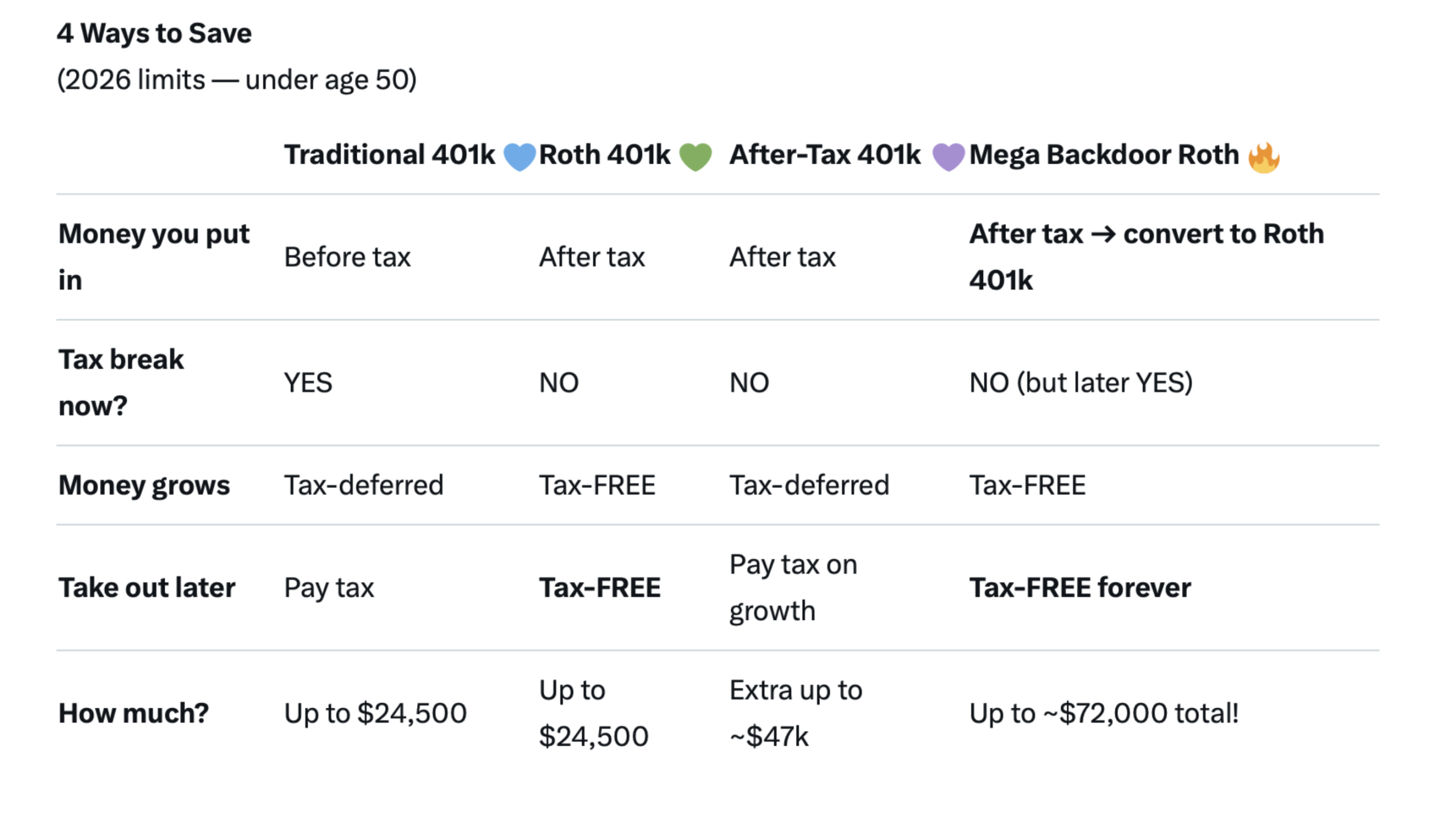
Mega Backdoor Roth Infographic
The infographic to illustrate the differences among traditional 401k, Roth 401k, After Tax 401k and Mega Backdoor Roth Conversion.
-
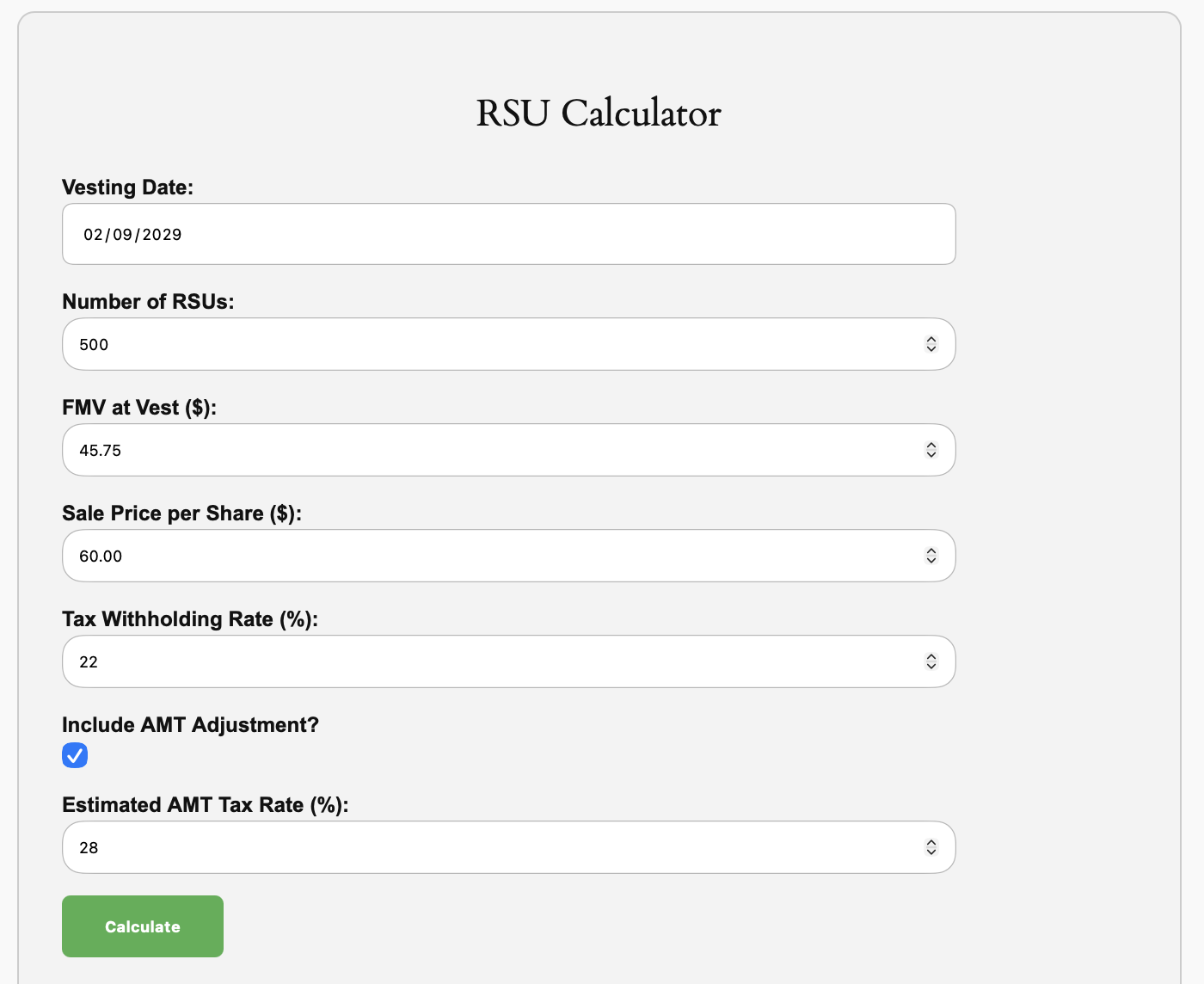
IRS Is Giving Out Money
- Latest in Retirement Savings & Personal Finance
- IRS Is Giving Out Money
- Tools & Tips: RSU (Restricted Stock Unit) Calculator
- Market Overview
-

2026 Tax Bonuses
10 Real Tax Savings for 2026
-

The Federal Reserve Bank and Your Money
- Latest in Retirement Savings & Personal Finance
- The Federal Reserve Bank and Your Money
- Tools & Tips: 401(k) Investment Assistant
- Market Overview
-

February 2026 MyPlanIQ Portfolio Update
- Asset Allocation Funds and MyPlanIQ Composite Indicator
- Interesting Funds Review
- Economic & Market Indicators
- Market Overview: the Federal Reserve
- Model Portfolios
- Funds to Watch
-
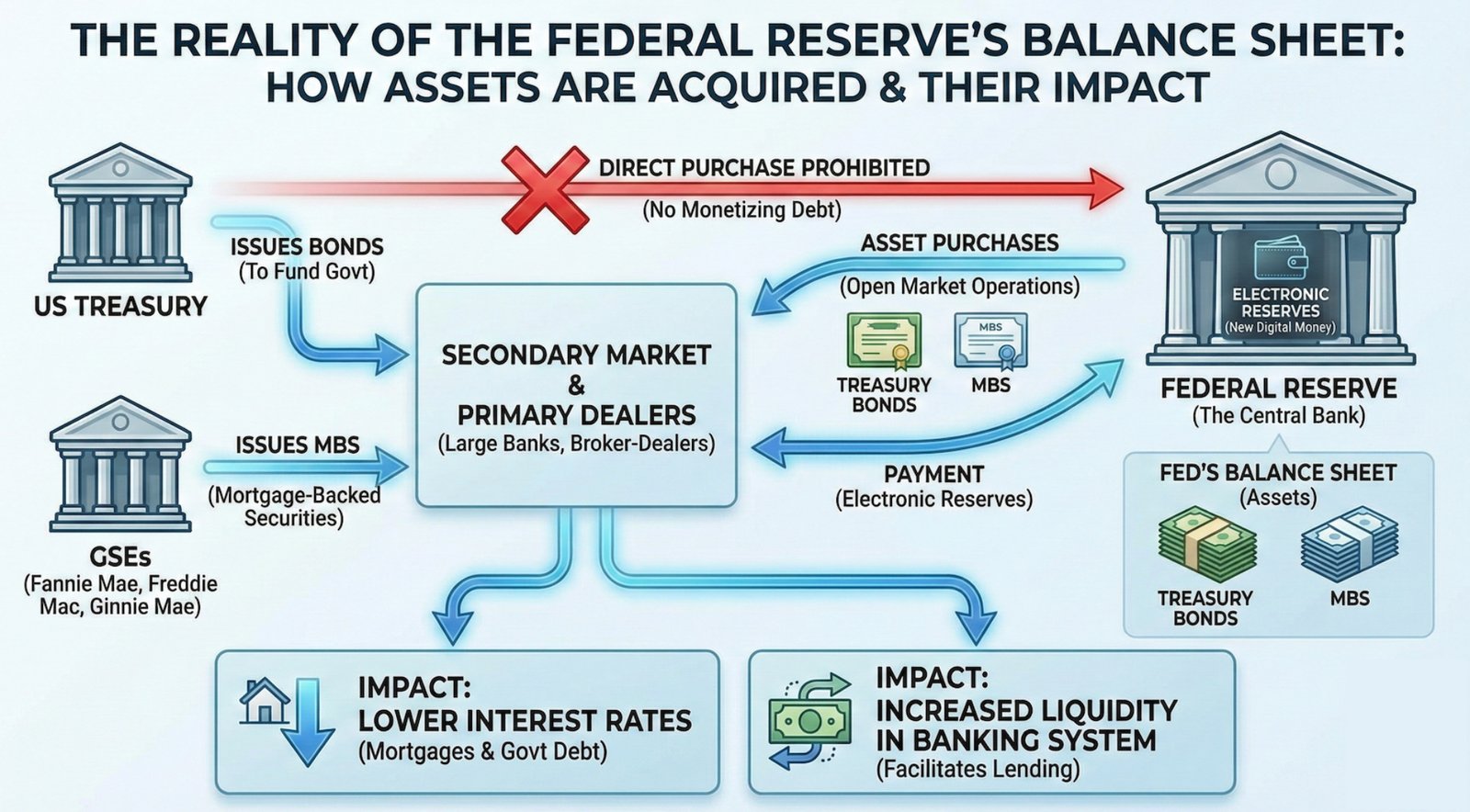
The Federal Reserve Bank Primer Infographic
Federal Reserve Bank’s balance sheet operation infographic
-
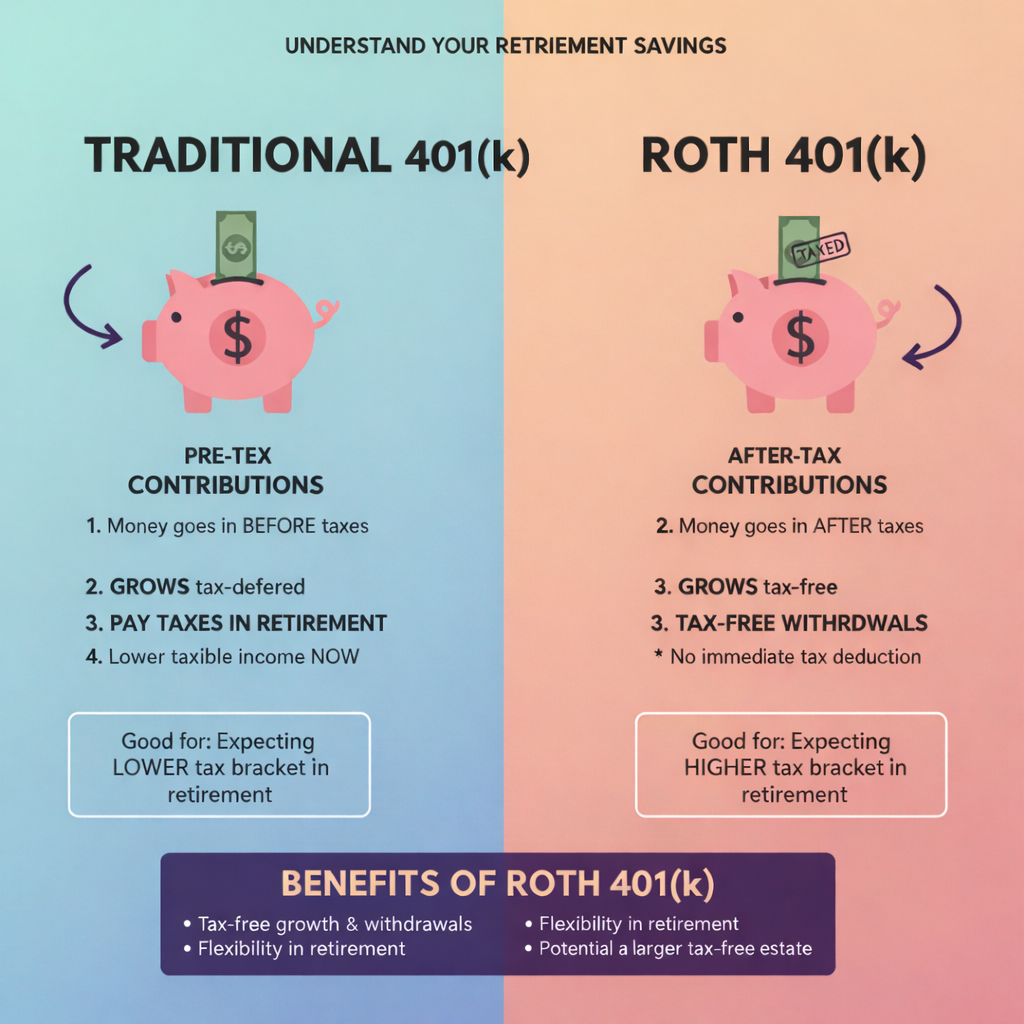
2026 Tax Season Begins Today
- Latest in Retirement Savings & Personal Finance
- 2026 Tax Season Begins Today
- Tools & Tips: Traditional 401(K) vs. Roth 401(K)
- Market Overview
-
Useful Tips for 401(k)s, IRAs, and RMDs in the New Year
- Latest in Retirement Savings & Personal Finance
- Useful Tips for 401(k)s, IRAs, and RMDs in the New Year
- Tools & Tips: Roth IRA Compounding
- Market Overview
-

The $7,000 Roth IRA Myth, Why It Is a Bigger Deal Than People Think
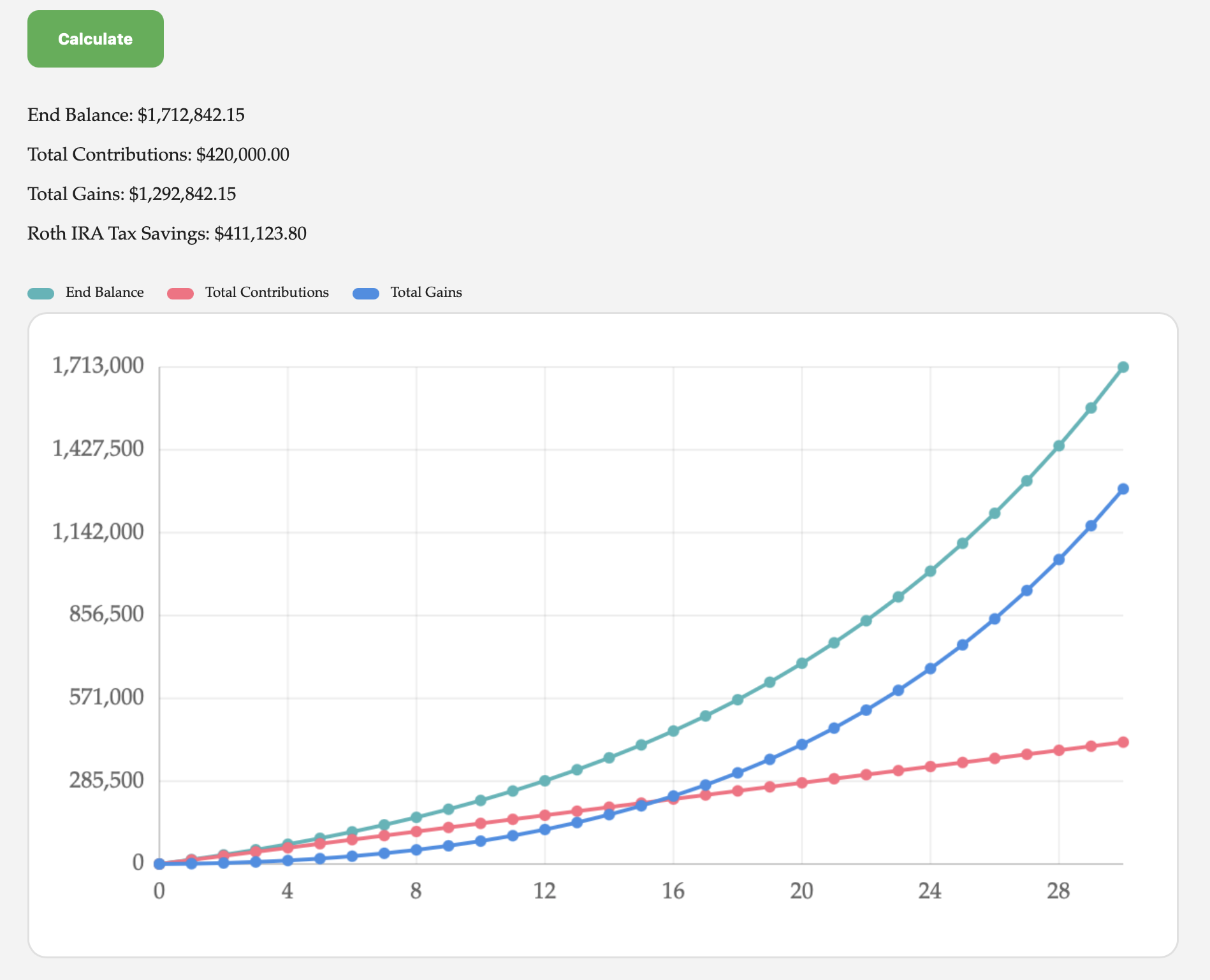
Many people look at the $7,000 annual Roth IRA limit and immediately dismiss it. Too small, not impactful, not worth the hassle. Big mistake! Let’s use a simple example. A husband and wife each contribute $7,000 a year, so $14,000 total, from age 30 to 60. That is 30 years of steady investing at an assumed 8 percent return. Total contributions come to $420,000. By age 60, that Roth balance grows to about $1.6 million. Roughly $1.16 million of that is pure growth, and it comes out tax free. If you live in a no state tax environment, you just avoided federal long term capital gains and the extra 3.8 percent surtax on investment income, already a meaningful number. Now layer in a high tax state. At an 8 percent state tax rate, that same $1.16 million of gains would have faced another large haircut (actually like $411K tax savings). The Roth just simply protects such a big chunk of your gain. The following are results from our Investment Return Calculator: And it does not stop there. Most people do not touch Roth money first. They let it keep compounding while spending from pre tax or taxable accounts. Let that same Roth grow another 10 years, untouched, at the same 8 percent. By age 70, it is worth roughly $3.9 million. Now you are looking at close to $3.3 million of gains that will never be taxed. In a zero state tax scenario, that already avoids a large federal tax bill. In an 8 percent state tax scenario, the difference becomes even more dramatic: a $1 million savings. This is where people underestimate the impact. The contribution feels small. The tax free compounding over decades is not. This is real money, not theoretical. High income earners often respond with another objection. Fine, but my income is too high to contribute to a Roth IRA anyway. Not really. This is where the backdoor Roth comes in. The process is simple in concept. You contribute to a traditional IRA using after tax dollars, since there is no income limit on contributions. Then you convert that contribution to a Roth IRA. If done correctly and promptly, there is little to no tax cost. The key rule is that you cannot have other pre tax IRA balances sitting around, including SEP or SIMPLE IRAs, or the conversion becomes partially taxable. Many people solve this by rolling old IRAs into a 401(k) first. Once set up, this becomes a repeatable annual process. So the real question is not whether the Roth is too small to matter. It is whether you want to keep paying taxes on millions of dollars of future growth, or quietly opt out while you still can.
-

Ultimate 2026 Retirement Playbook for 401(k)s & IRAs
Extremely use tips to maximizing 401(k) match, RMDs and IRA tactics
-

New Year Resolutions for Your Personal Finance
- Latest in Retirement Savings & Personal Finance
- New Year Resolutions for Your Personal Finance
- MyPlanIQ 2026 Market Outlook
-
January 2026 MyPlanIQ Portfolio Update
- Portfolios: 2025 Recap
- Interesting Funds Review
- Economic & Market Indicators
- Model Portfolios
- Funds to Watch
- Market Overview
-

Main 2026 Tax Changes for Your Benefits
Several federal tax updates take effect in 2026, driven by the IRS annual inflation adjustments and provisions tied to the “One Big, Beautiful Bill Act”. These changes generally raise thresholds and deductions
