-
Useful Tips for 401(k)s, IRAs, and RMDs in the New Year
- Latest in Retirement Savings & Personal Finance
- Useful Tips for 401(k)s, IRAs, and RMDs in the New Year
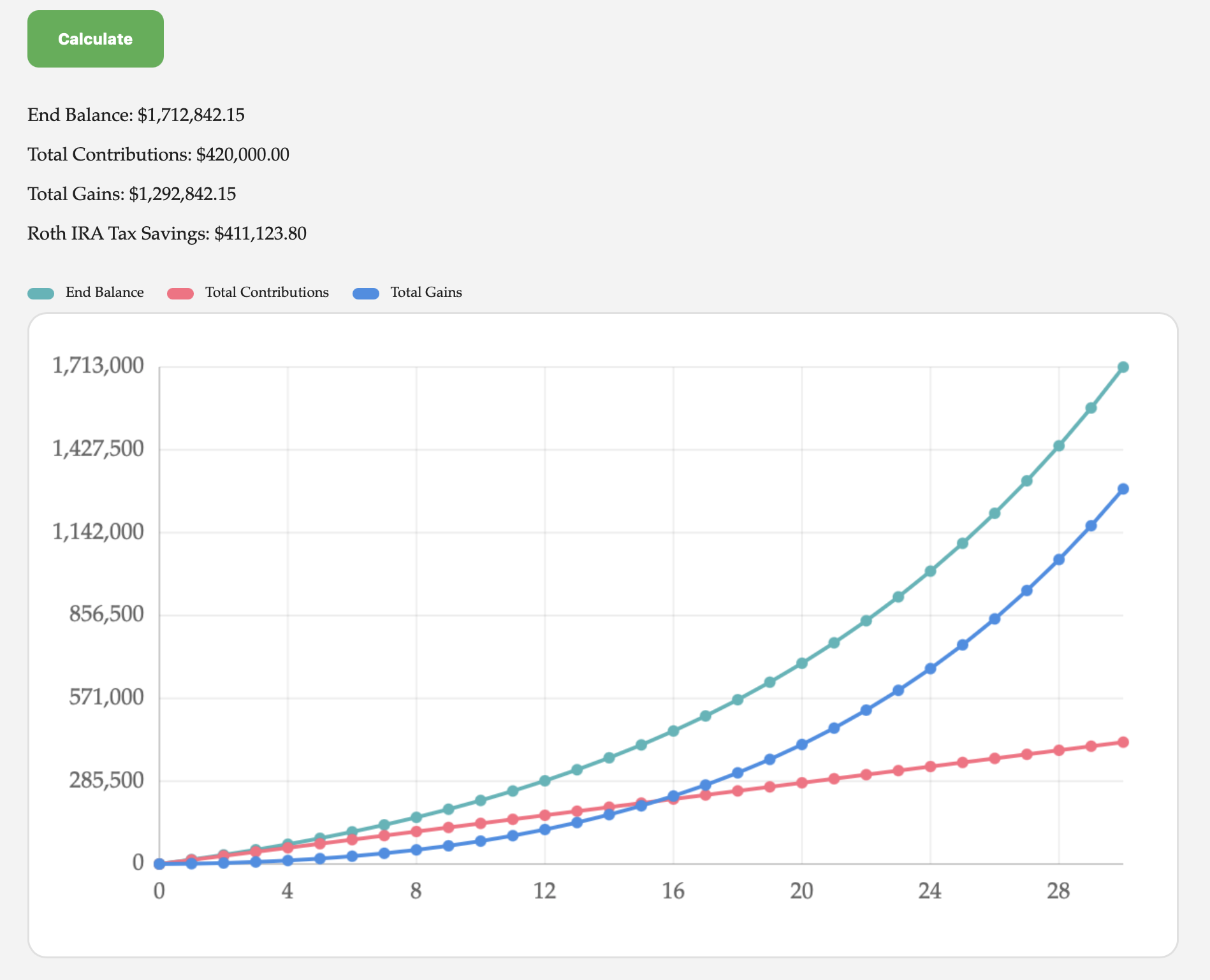
- Tools & Tips: Roth IRA Compounding
- Market Overview
-

New Year Resolutions for Your Personal Finance
- Latest in Retirement Savings & Personal Finance
- New Year Resolutions for Your Personal Finance
- MyPlanIQ 2026 Market Outlook
-

2025 Crystal Ball Market Prediction Scorecard
- Latest in Retirement Savings & Personal Finance
- Stock Market Bubble & Retirement Savings
- Tools & Tips: Retirement Spending Calculator
- Market Overview
-

Personal Finance Year End Check List
- Latest in Retirement Savings & Personal Finance
- Personal Finance Year End Check List
- Tools & Tips: 12% Tax Bracket Is the Sweet Spot for Roth IRA Conversion
- Market Overview
-

Retirement Plan Contribution Limits in 2026
Comprehensive retirement plans (401(k), 403(b, 457(b), Solo 401(k), SEP IRA, SIMPLE IRA, IRA, Roth IRA, TSP, HSA etc.) contribution limits for 2026
-
Super Businesses, Super Stocks
- Latest in Retirement Savings & Personal Finance
- Super Businesses, Super Stocks
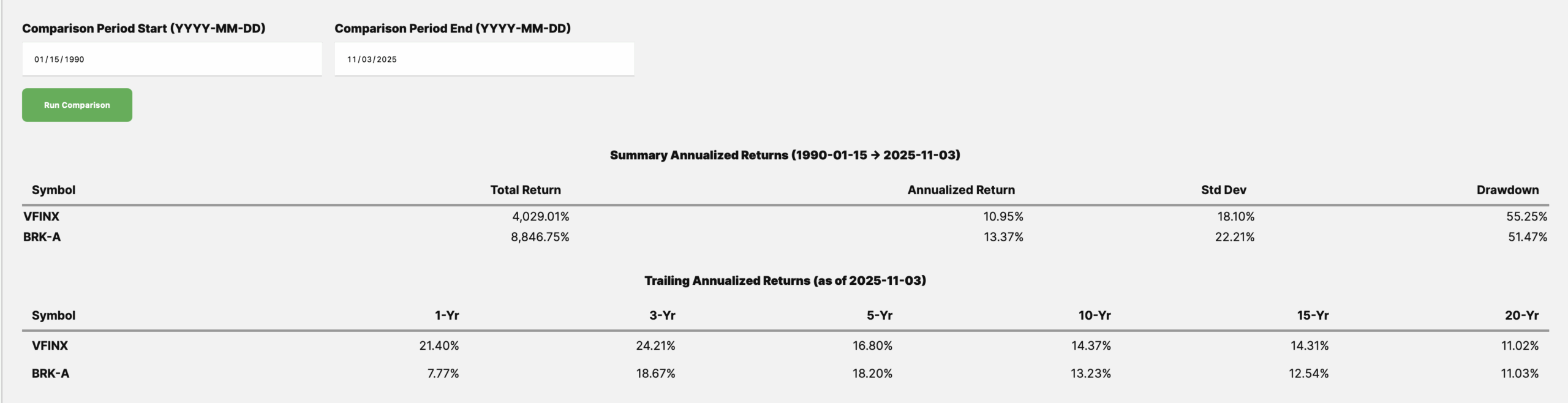
- Tools & Tips: Return Comparison Calculator
- Market Overview
-
2024 Millionaire Retirement Plans
- Latest in Retirement Savings & Personal Finance
- 2024 Millionaire Retirement Plans
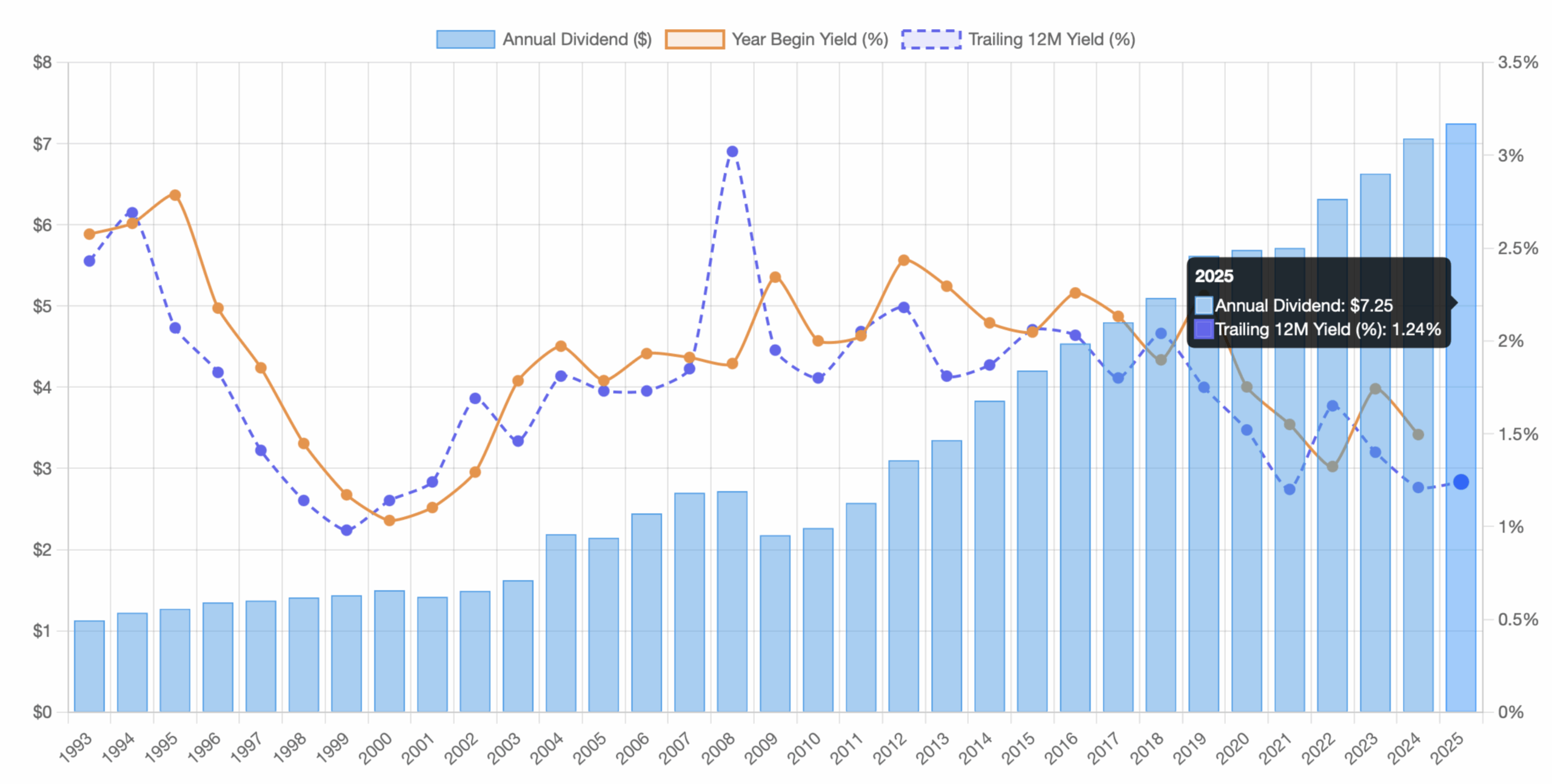
- Tools & Tips: Historical Stock Dividend Yield Chart
- Market Overview
-
Last Quarter Checklist for 2025
- Latest in Retirement Savings & Personal Finance: All the Glittering Gold, Highest Household Credit Card Debt, More PE Funds Than McDonald’s
- Last Quarter Checklist for 2025
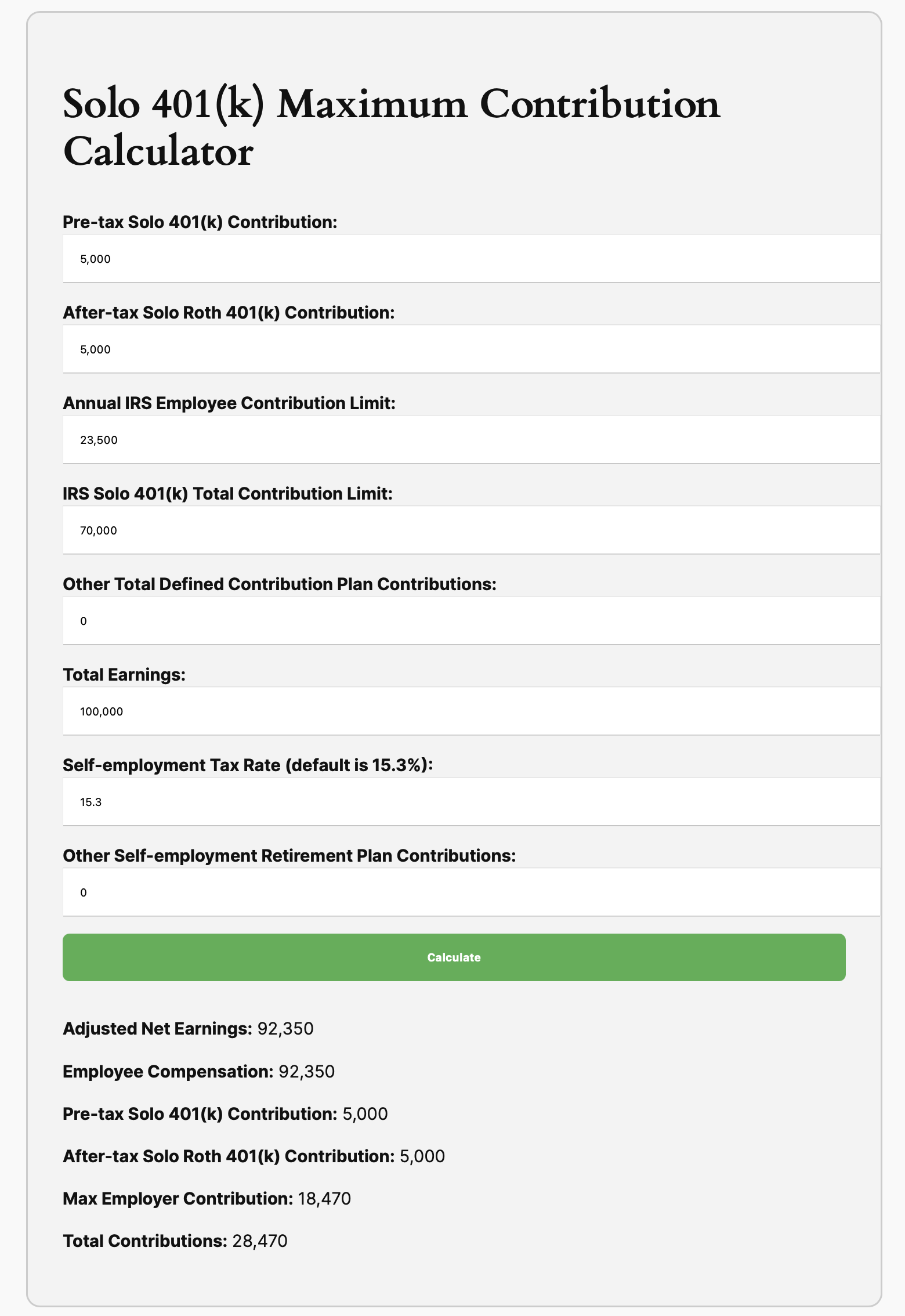
- Tools & Tips: Solo 401(k) Maximum Contribution Calculator
- Market Overview
-

Microsoft Roth 401(k) & Mega Backdoor Roth Strategy Guide 2025
Microsoft Corporation’s Savings Plus 401(k) Plan gives you every tool needed to build tax-free retirement wealth: Roth salary deferrals, generous after-tax capacity, and instant in-plan conversions. This guide explains how to harness those features in 2025 so you can graduate from “traditional saver” to future tax-free millionaire. ✅ Available: Microsoft Roth 401(k) Pre-tax and Roth deferrals run through the same Fidelity portal. Switching your paycheck elections to Roth lets you pay taxes now while locking in tax-free qualified withdrawals later. Catch-up contributions ($7,500) can be directed to Roth as well. ✅ Available: Mega Backdoor Roth via After-Tax Contributions Microsoft supports sizable after-tax contributions (historically up to $34,500) plus in-plan Roth conversions. That combination satisfies the two critical requirements for executing a mega backdoor Roth inside Fidelity NetBenefits. Roth 401(k) Benefits for Microsoft Employees The Roth 401(k) bucket grows tax-free and distributes tax-free as long as you hold the account for five years and reach age 59½. Because Microsoft allows you to defer up to 65% of eligible pay (subject to the IRS $23,000 limit, or $30,500 with catch-up), high earners can rapidly build Roth balances while still collecting the full employer match. Mega Backdoor Roth Playbook Microsoft’s plan checks every box for the mega backdoor Roth (MBDR) tactic: after-tax contributions, in-plan conversions, and a high overall contribution ceiling (IRS Section 415(c) limit of $69,000, or $76,500 with catch-up). By filling the after-tax bucket and immediately converting it to Roth, you can move tens of thousands of dollars into tax-free growth every year. Interactive Roth vs. Traditional Calculator .available-feature { background: #f3f9ff; border-left: 4px solid #1966d2; padding: 1.25rem 1.5rem; border-radius: 0.75rem; margin: 1.5rem 0; } .strategy-comparison { background: #f7fbff; border: 1px solid #d4e5ff; border-radius: 0.75rem; padding: 1.25rem 1.75rem; margin: 1.5rem 0; } .wp-block-group.roth-calculator, .wp-block-group.mbdr-calculator { background: #f3f3f3; border: 1px solid #cccccc; border-radius: 0.9rem; padding: 1.5rem; margin: 2rem auto; max-width: 60%; } .wp-block-group.roth-calculator h3, .wp-block-group.mbdr-calculator h3 { margin-top: 0; color: #143c7d; } .calculator-inputs { display: flex; flex-direction: column; gap: 1rem; margin-bottom: 1.25rem; } .calculator-inputs label { display: flex; flex-direction: column; font-weight: 700; color: #102a53; } .calculator-inputs input, .calculator-inputs select { margin-top: 0.5rem; padding: 0.65rem 0.8rem; border-radius: 0.6rem; border: 1px solid #b8c7e3; font-size: 1rem; background: #ffffff; max-width: 18rem; } .calculator-inputs button { align-self: flex-start; padding: 0.85rem 1.4rem; border: none; border-radius: 0.6rem; background: #4CAF50; color: #ffffff; font-weight: 700; cursor: pointer; transition: transform 0.15s ease, box-shadow 0.15s ease; } .calculator-inputs button:hover { transform: translateY(-1px); box-shadow: 0 8px 16px rgba(76, 175, 80, 0.25); } .calculator-results { background: #ffffff; border-radius: 0.75rem; border: 1px solid #d5deef; padding: 1.1rem; color: #0f2557; } .calculator-results p { margin: 0.5rem 0; } .calculator-results ul { padding-left: 1.25rem; margin: 0.5rem 0; } .calculator-note { font-size: 0.9rem; color: #374f7a; margin-top: 0.75rem; } @media (max-width: 960px) { .wp-block-group.roth-calculator, .wp-block-group.mbdr-calculator { max-width: 90%; } } @media (max-width: 640px) { .calculator-inputs input, .calculator-inputs select { max-width: 100%; } } Roth vs. Traditional 401(k) Calculator for Microsoft Employees Current Age Household Income ($) Current Tax Bracket 12%22%24%32%35%37% Expected Retirement Tax Bracket 12%22%24%32% Annual Contribution ($) Expected Annual Return (%) Compare Roth vs. Traditional Assumes retirement at age 65 and constant contribution/return rates. Adjust inputs to reflect your tax outlook. const IRS_DEFERRAL_LIMIT = 23000; const CATCH_UP_LIMIT = 7500; const IRS_415C_LIMIT = 69000; function parseCurrencyInput(rawValue) { if (rawValue === undefined || rawValue === null) { return 0; } const cleaned = rawValue.toString().replace(/,/g, ”).trim(); const numeric = Number(cleaned); if (Number.isNaN(numeric)) { return 0; } return numeric; } function formatCurrency(value) { return ‘$’ + value.toLocaleString(‘en-US’, { minimumFractionDigits: 2, maximumFractionDigits: 2 }); } function formatCompactCurrency(value) { return ‘$’ + value.toLocaleString(‘en-US’, { maximumFractionDigits: 2 }); } function syncCurrencyInput(id) { const el = document.getElementById(id); if (!el) { return; } el.value = parseCurrencyInput(el.value).toLocaleString(‘en-US’, { maximumFractionDigits: 0 }); } function calculateFutureValue(contribution, years, rate) { if (rate === 0) { return contribution * years; } const futureFactor = Math.pow(1 + rate, years) – 1; return contribution * futureFactor / rate; } function calculateRothComparison() { syncCurrencyInput(‘rcIncome’); syncCurrencyInput(‘rcContribution’); const age = Number(document.getElementById(‘rcCurrentAge’).value); const income = parseCurrencyInput(document.getElementById(‘rcIncome’).value); const currentTax = Number(document.getElementById(‘rcCurrentTax’).value); const retirementTax = Number(document.getElementById(‘rcRetirementTax’).value); const annualContribution = parseCurrencyInput(document.getElementById(‘rcContribution’).value); const annualReturnPercent = Number(document.getElementById(‘rcReturn’).value); const output = document.getElementById(‘rcResults’); if (age < 18 || annualContribution
-

Best Strategy to Withdraw Funds in Retirement
When you retire, the order you pull funds from your accounts (whether taxable, traditional, or Roth) can make big difference.
-

Retirement Plan Contribution Limits in 2024
2024 Retirement Plan Contribution Limits 1. 401(k), 403(b), and 457(b) Plans Employee Contributions: Up to $23,000 (under age 50) Catch-up contribution: $7,500 (ages 50+) Total Combined Limit (Employee + Employer): $69,000 Roth Options: Available for 401(k), sometimes for 403(b) and 457(b) Plan Details: 401(k): Primarily for for-profit companies; includes Roth (after-tax) options. 403(b): For public schools and nonprofits; Roth-style options less common. 457(b): For state/local government and some tax-exempt organizations; Roth availability varies. 2. Solo 401(k) and SEP IRA Solo 401(k): For self-employed individuals/business owners without employees.
- Employee contributions: $23,000, plus $7,500 catch-up (ages 50+)
- Employer contributions: up to 25% of compensation
- Total combined limit: $69,000 or 25% of compensation, whichever is less
SEP IRA: Employer contributes up to 25% of compensation, up to $69,000. No catch-up contribution. 3. SIMPLE IRA
- Employee contribution: up to $16,500
- Catch-up contribution: $3,500 (50+)
- Employer must match dollar-for-dollar up to 3% of employee salary
- Immediate vesting
4. Traditional and Roth IRAs
- Annual contribution: $7,000
- Catch-up: additional $1,000 (50+)
Traditional IRA: Pre-tax contributions, taxable upon withdrawal Roth IRA: After-tax contributions, tax-free withdrawals 5. Thrift Savings Plan (TSP)
- Federal and uniformed services employees only
- Employee contributions: up to $23,000 (under age 50), plus catch-ups ($7,500 at 50+)
- Employer matches up to 5% of salary
- Total Combined Limit (Employee + Employer): $69,000
- Pre-tax (traditional) and Roth contributions allowed
6. Payroll Deduction IRA
- Annual limit: $7,000; catch-up of $1,000 (age 50+)
- Pre-tax or Roth contributions
- No employer matching
7. Health Savings Account (HSA)
- Individual coverage: $4,150
- Family coverage: $8,300
- Catch-up contribution: additional $1,000 for age 55+
- Must have a high-deductible health plan
- Tax-free growth; penalty-free medical withdrawals; penalty-free non-medical withdrawals after age 65 (taxable)
8. Self-Directed IRA (SDIRA)
- Contribution limits same as IRAs ($7,000 + $1,000 catch-up age 50+)
- Allows alternative investments (real estate, precious metals, crypto)
- Requires IRS-approved custodian
9. Nondeductible IRA
- Same limits as traditional IRAs ($7,000 + $1,000 catch-up age 50+)
- Contributions not tax-deductible; earnings taxable at withdrawal
10. Annuities and Pension Plans (Brief Overview)
- Annuities: Insurance-based retirement products, providing guaranteed income. High fees, limited liquidity.
- Pension Plans: Employer-funded defined-benefit plans providing guaranteed lifetime income. Limited investment control.
11. Flexible Spending Account (FSA) Limits for 2024
- The maximum employee contribution to a health care FSA for 2024 is $3,200.
- If the FSA plan allows for carryover, the maximum amount that can be carried over to 2025 is $640.
- For Dependent Care FSAs, the maximum remains $5,000 per household (single or married filing jointly) or $2,500 if married and filing separately.
12. Health Savings Account (HSA) Limits for 2024 Coverage Type 2024 Contribution Limit Catch-Up (Age 55+) Minimum Deductible Out-of-Pocket Max Self-only $4,150 +$1,000 $1,600 $8,050 Family $8,300 +$1,000 (per eligible spouse, each in own HSA) $3,200 $16,100
- Individuals age 55 or older can contribute an additional $1,000 as a catch-up contribution.
- HSA contributions can be made until the tax filing deadline (April 15, 2025, for tax year 2024).
- To be eligible for HSA contributions, you must be enrolled in a high-deductible health plan (HDHP) meeting the minimum deductible and out-of-pocket maximum requirements above.
-
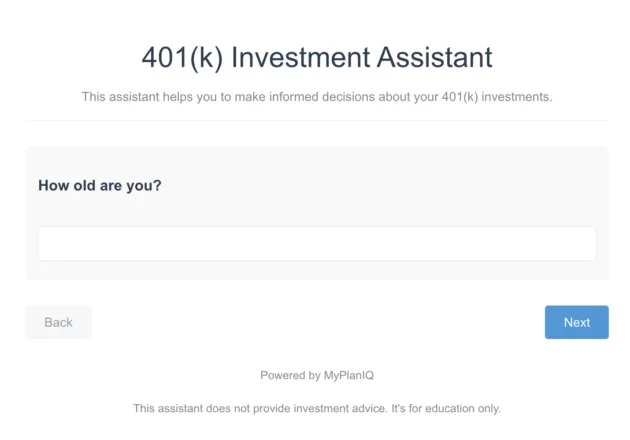
Simple 401(k) Investment Guide
In this issue:
- Latest in Retirement Savings & Personal Finance: College Education Affordability Declined, Rising Debt Puts Your 401(k) Retirement Savings in a Pickle
- Simple 401(k) Investment Guide
- Tools & Tips: 401(k) Investment Assistant
- Market Overview
-
Income Growth, Historical 401(k) Contribution Limit Data
In this issue:
- Latest in Retirement Savings & Personal Finance: Interest Rates Rise Again, Rising Home Insurance Cost, …
- Historical Income Growth, 401(k) Contribution Limit Growth
- Tools & Tips: 401(k) Maximum Match Calculator — Marvell Semiconductor
- Market Overview
-

How Much Should I Save for Retirement By Age? A Realistic Reference
In this issue:
- Latest in Retirement Savings & Personal Finance: Medicare Rude Surprise, Scoop to Be a Millionaire
- How Much Should I Save for Retirement By Age? A Realistic Reference
- Tools & Tips: Retirement Savings by Age Calculator
- Market Overview
-

Realistic Reference Data on Retirement Savings by Age in 2025
A realistic accumulated savings figures by age in 2025 for various income level people.
-

Warren Buffett’s Phenomenal Run: The Oracle May Retire, But His Legacy Endures
In this issue:
- Latest in Retirement Savings & Personal Finance: Social Security Early Claims Surge, Student Loan Collection Resumed, …
- Warren Buffett’s Phenomenal Run: The Oracle May Retire, But His Legacy Endures
- Tools & Tips: Rolling Return Calculator
- Market Overview
-

One Fund Does It All
In this issue:
- Latest in Retirement Savings & Personal Finance: US Food & Engergy Inflation Charts, Empty Shelfs Coming? Part-time Contractors Rejoin on 401(k) Eligibility
- One Fund Does It All: Savings & Investing in 401(k) Might Not Be That Intimidating
- Tools & Tips: Retirement Spending Calculator
- Market Overview
-
Roth IRAs for Retirees
Roth IRAs can be very useful for retirees in terms of medicare premiums, estate planning and other benefits.
-
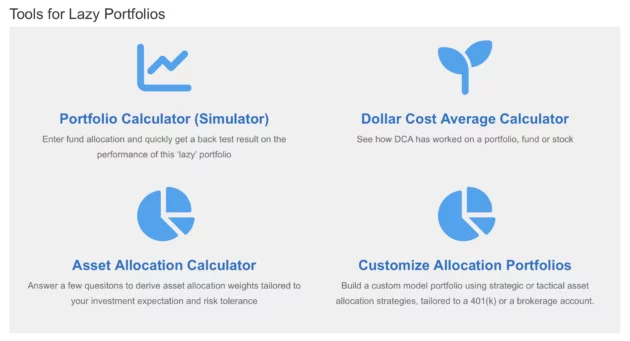
Lazy Portfolios Aren’t Lazy in Growing Wealth
In this issue:
- Latest in Retirement Savings & Personal Finance: Golden Rule and The Roth IRA Evangelist
- Lazy Portfolios Aren’t Lazy in Growing Wealth
- Tools & Tips: Investment Arithmetic
- Market Overview
-

IRAs as One of the Emergency Fund Sources
In this issue:
- Latest in Retirement Savings & Personal Finance: Back-and-forth Tariff Policies, Stock Market Swings, and Low Retirement Savings Rates
- IRAs as One of the Emergency Fund Sources
- The Gotcha in Maximum Solo 401(k) or SEP IRA Contribution Limits
- Market Overview
