-

Retirement Plan Contribution Limits in 2025
Comprehensive retirement plans (401(k), 403(b, 457(b), Solo 401(k), SEP IRA, SIMPLE IRA, IRA, Roth IRA, TSP, HSA etc.) contribution limits for 2025
-
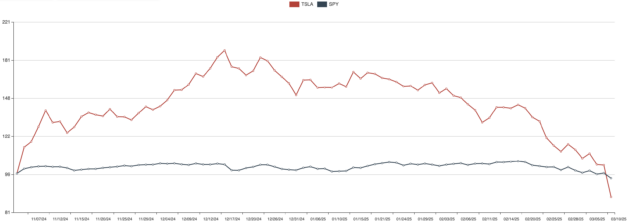
Maximize Your Cash Returns
In this issue:
- Latest in Retirement Savings & Personal Finance: Inflation Pressure and 401(k) as Rainy-Day Fund
- Maximize Your Cash Returns
- Good Funds: Capital Group ETFs
- Market Overview
-
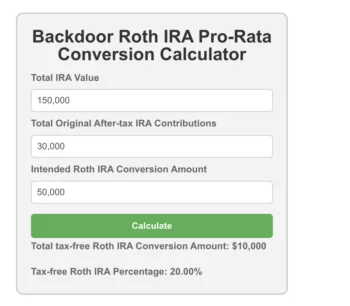
Roth IRA for Kids? SEP IRA for Rental Income?
In this issue:
- News & Tips You Can Use: 5 Tax Tips For Tax Filing Season
- 6 Ways to Cope in Your Retirement Savings & Spending Under the Current DOGE, Tariff Regime
- Backdoor Roth IRA Pro-Rata Conversion Calculator
- Market Overview
-
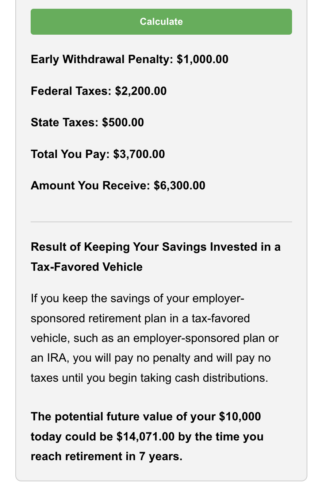
6 Ways to Cope in Your Retirement Savings & Spending Under the Current DOGE, Tariff Regime
In this issue:
- Latest in Retirement Savings & Personal Finance: Tax Season, Regulations Relaxed, Low Housing Affordability
- 6 Ways to Cope in Your Retirement Savings & Spending Under the Current DOGE, Tariff Regime
- 401k Early Withdrawal Cost Calculator
- Market Overview
-

Outsaving Regular Workers: How Gig Workers & Entrepreneurs Can Save 3x More for Retirement—Up to $70K Tax-Deferred!
In this issue:
- Latest in Retirement Savings & Personal Finance
- Outsaving Regular Workers: How Gig Workers & Entrepreneurs Can Save 3x More for Retirement—Up to $70K Tax-Deferred!
- Solo 401(k) Maximum Contribution Calculator
- Market Overview
-
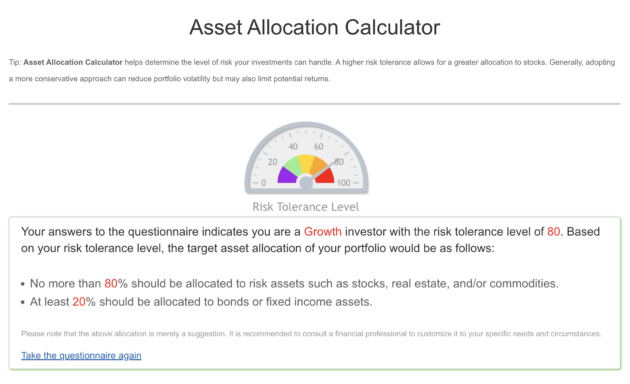
The Hidden Benefit of Emergency Savings Accounts: It’s a ‘Regular’ Savings Account with Free Employer Match
In this issue:
- Latest in Retirement Savings & Personal Finance
- One Percent Difference: Fees and Growth
- Asset Allocation Calculator
- Market Overview
-
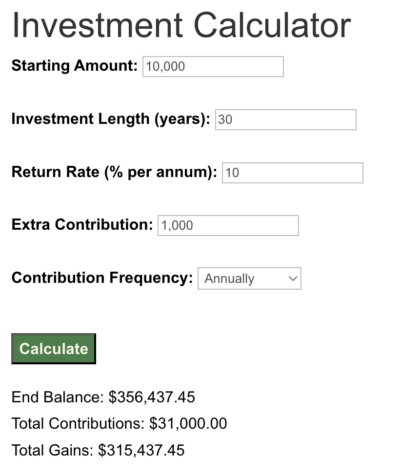
Maximizing Your Savings & Investments: The Power of 1% Over Time
In this issue:
- Latest in Retirement Savings & Personal Finance
- One Percent Difference: Fees and Growth
- Fee Calculator
- Market Overview
-

Key Retirement Ages: Essential Milestones for 401(k), IRA, Solo 401(k), SEP IRA, Social Security & Medicare
A cheat sheet for the important milestone ages such as Rule of 55, Catch-up Contributions, Medicare age,…
-
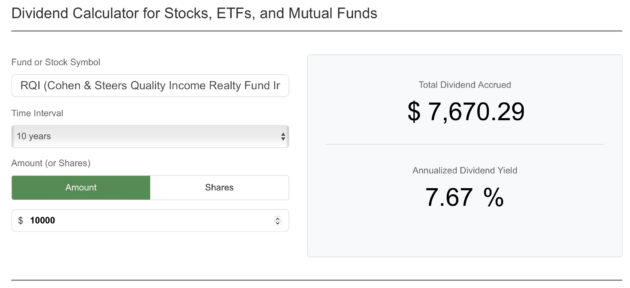
Dividend Income Investments: Benefits and Pitfalls
In this issue:
- Latest in Retirement Savings & Personal Finance
- Dividend Income Investments: Benefits and Pitfalls
- Dividend Income Calculator for Stocks, ETFs, and Mutual Funds
- Market Overview
-

Rule of Thumb: The 50/30/20 Budget Rule
In this issue:
- Latest in Retirement Savings & Personal Finance
- Rule of Thumb: The 50/30/20 Budget Rule
- Simple Budget Calculator
- Market Overview
-
9 Lessons From Retirees’ Biggest Retirement Regrets
In this issue:
- 9 Lessons From Retirees’ Biggest Retirement Regrets
- Returns of MyPlanIQ Core Model Portfolios
- Portfolio Simulator (Calculator)
- Lazy Portfolios: Simple Templates for 401(k) and IRA Investments
- Market Overview
-
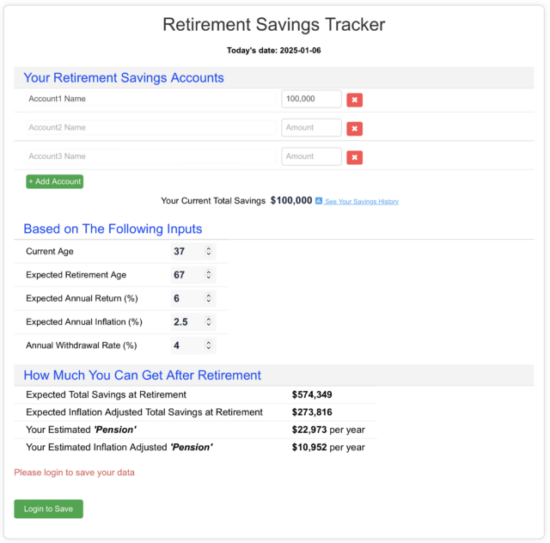
Retirement Savings Tracker and Future ‘Pension’ Estimator
In this issue:
- Gen X’s Retirement Savings Shortfall
- Introducing Retirement Savings Tracker & Future ‘Pension’ Estimator
- Retirement Savings Tracker
- Most Popular Bond Funds in 401(k) Plans
- Market Overview
-
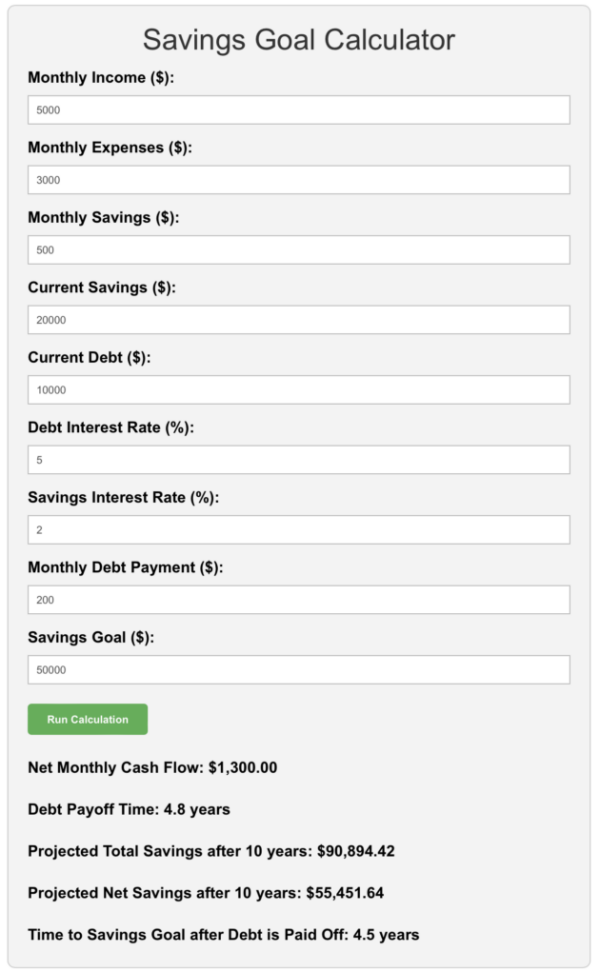
Smart Rules of Thumb to Manage Your Personal Debts
In this issue:
- Student Loan Payoff and 401(k) Match
- Smart Rules of Thumb to Manage Your Personal Debts
- Savings Goal Calculator: Payoff Debt and Save More
- Most Popular Bond Funds in 401(k) Plans
- Market Overview
-

Health Insurance Costs Far Outpace Inflation: How to Protect Your Retirement Savings
In this issue:
- Medicare Cost Increases for 2025 & Ever Rising Health Insurance Cost
- How to Safeguard Your Retirement Savings from Increasing Health Care Costs
- Investment Return Calculators for Funds, Portfolios or Stocks
- Most Popular Stock Funds in 401(k) Plans
- Market Overview
-

The Four Essential Steps for 401(k) Investments
In this issue:
- Leaving your company: things to consider for your company 401(k) account
- The Four Essential Steps for 401(k) Investments
- How to Determine the Amount to Contribute to Maximize Your Company Match
- Thrift Savings Plan: The Largest Public Sector Workers’ Retirement Savings Plan
- Market overview: Enjoy the season but don’t be complacent
-
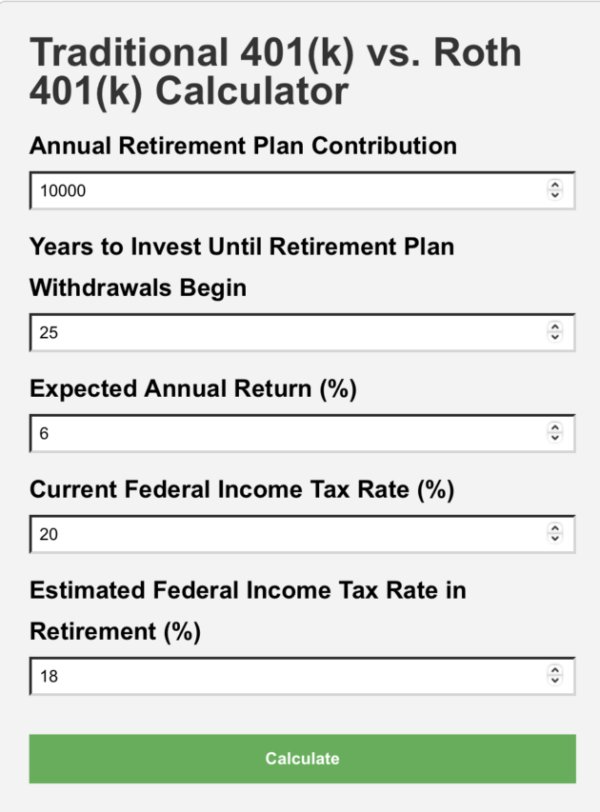
Roth 401(K): A Retirement Savings Option You Shouldn’t Ignore
In this issue:
- Retirees’ credit card debt increased!
- Roth 401(K): A Retirement Savings Option You Shouldn’t Ignore
- Traditional 401(k) vs. Roth 401(k) Calculator
- Top 15 employers with the highest employer match rate per employee
- Market overview: Year-end stock rally?
-
IRA and Roth IRA Contribution Limits: Annual Caps, Income Restrictions, and 401(k) Considerations
When planning your retirement savings, understanding the annual contribution limits for Individual Retirement Accounts (IRAs), Roth IRAs, and how these interact with 401(k) contributions is essential. Below is an itemized breakdown of contribution limits, income caps, and key considerations. 1. Traditional IRA Contribution Limits (2024) 2. Roth IRA Contribution Limits (2024) 3. Non-Deductible Traditional IRA Contributions 4. Considerations When You Also Contribute to a 401(k) 5. Caution: Pro-Rata Rule for Roth IRA Conversions If you plan to make non-deductible IRA contributions and later convert them to a Roth IRA (commonly known as a “backdoor Roth IRA”), be aware of the pro-rata rule. This rule requires you to calculate taxes on the conversion based on the proportion of pre-tax and after-tax funds across all your traditional IRAs. By balancing 401(k) and IRA contributions, you can maximize tax benefits and long-term retirement growth. If income caps restrict your IRA options, consider strategies like non-deductible IRA contributions or a Roth IRA conversion. In terms of non-deductible IRA contributions, you’ll need to track its basis for tax purposes.
-
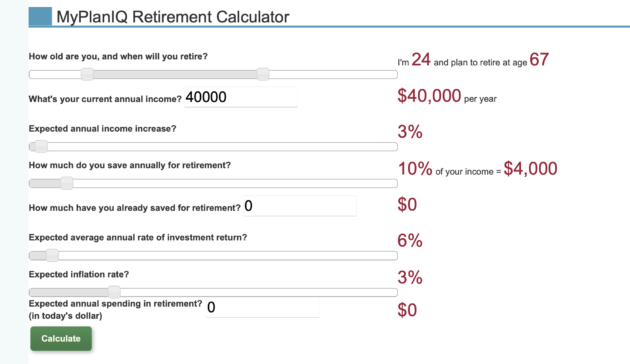
A 6% Default Retirement Savings Rate Is Becoming the Standard—But Is It Enough?
In this issue:
- A 6% default retirement savings rate Is becoming the standard—but Is It enough?
- Bonds for the long-term: why a 60% stock/40% bond portfolio?
- Retirement calculator: why a 12% to 15% savings rate
- Top 15 employers with the highest employer match per employee
- Market overview: renewed inflation threats
-
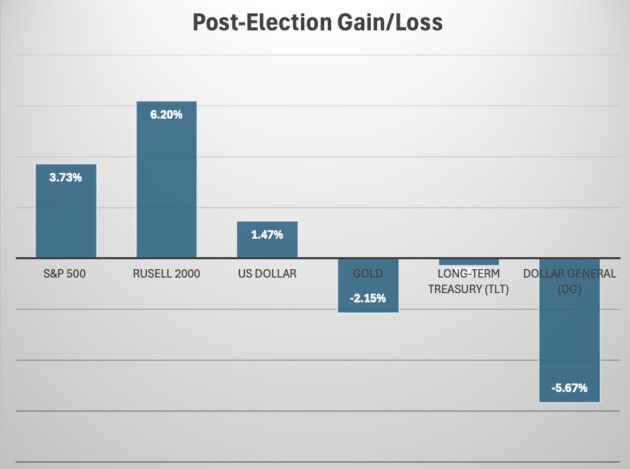
Stocks for The Long Term: Why They Outperform Bonds
In this issue:
- Retirement savings: what Morningstar retirement model reveals
- Stocks for the long-term: why they outperform bonds
- Investment arithmetic: investment calculator
- The billion-dollar employer contribution club
- Market overview: post-election stock rally, inflation …
-

When to Retire Matters—A Lot!
Retiring at the peak of a bull market or right after a bear market can significantly impact your retirement finances.
