-
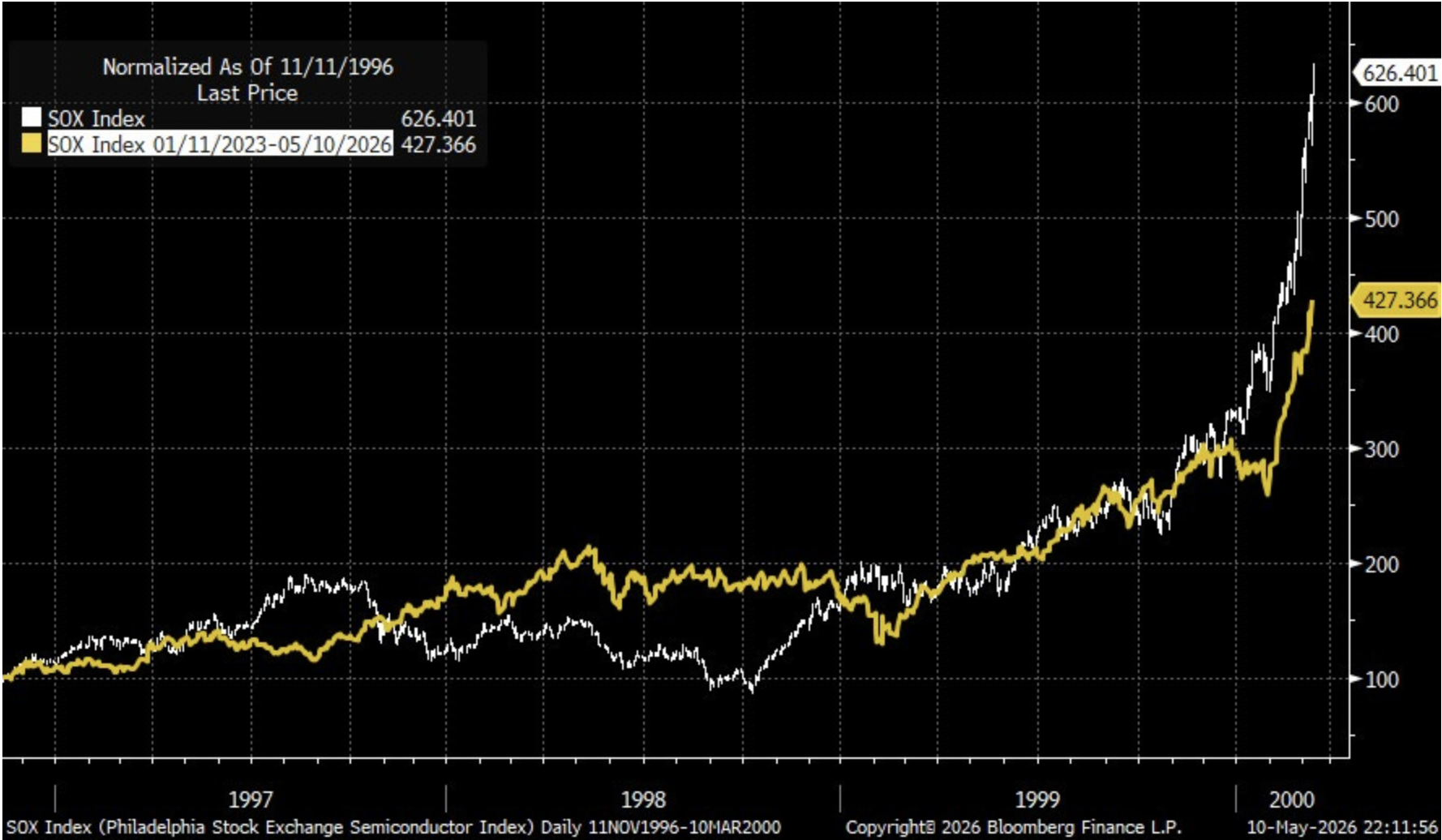
Beware of The Parabolic Stock Market Rise
Stock market melt-up risks, Social Security cap proposal, harder job market.
-

Savings for Your Kids’ Lifetime Education
- Latest in Retirement Savings & Personal Finance
- Lifetime Education Cost Planner
- Market Overview
-
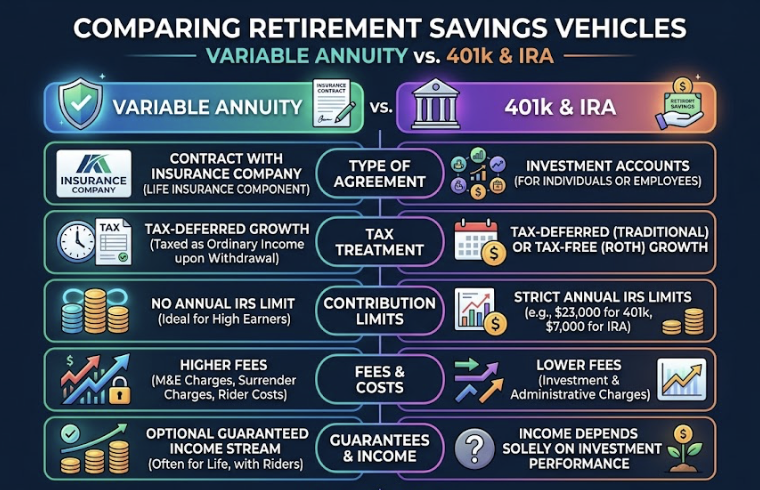
Variable Annuity vs. 401K vs IRA
- Latest in Retirement Savings & Personal Finance
- Variable Annuity vs. 401K vs IRA
- Market Overview
-
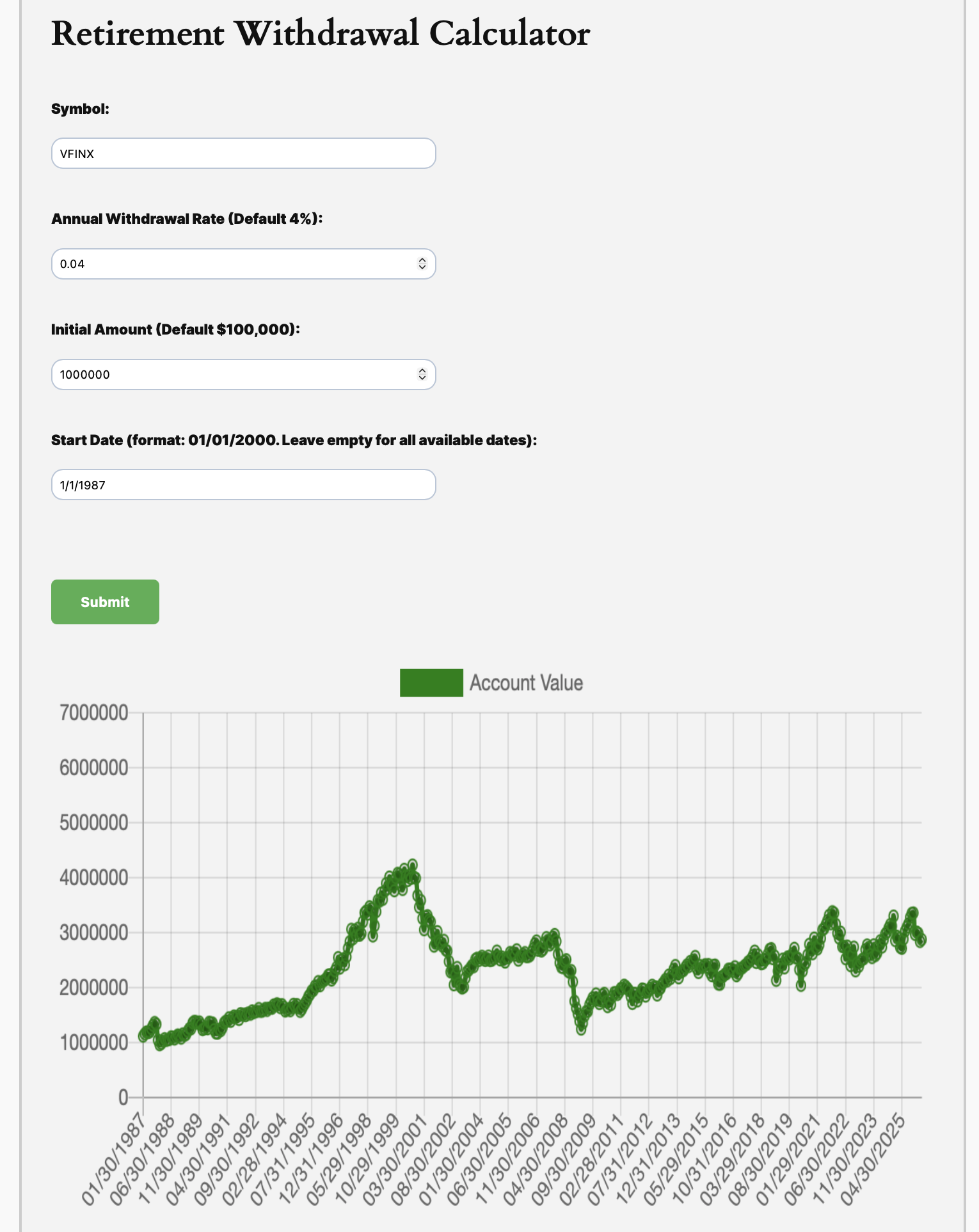
ETFs Can Match Lowest Cost Funds in 401(k) Plans
- Latest in Retirement Savings & Personal Finance
- ETFs Can Match Lowest Cost Funds in 401(k) Plans
- Retirement Withdrawal Calculator
- Market Overview
-
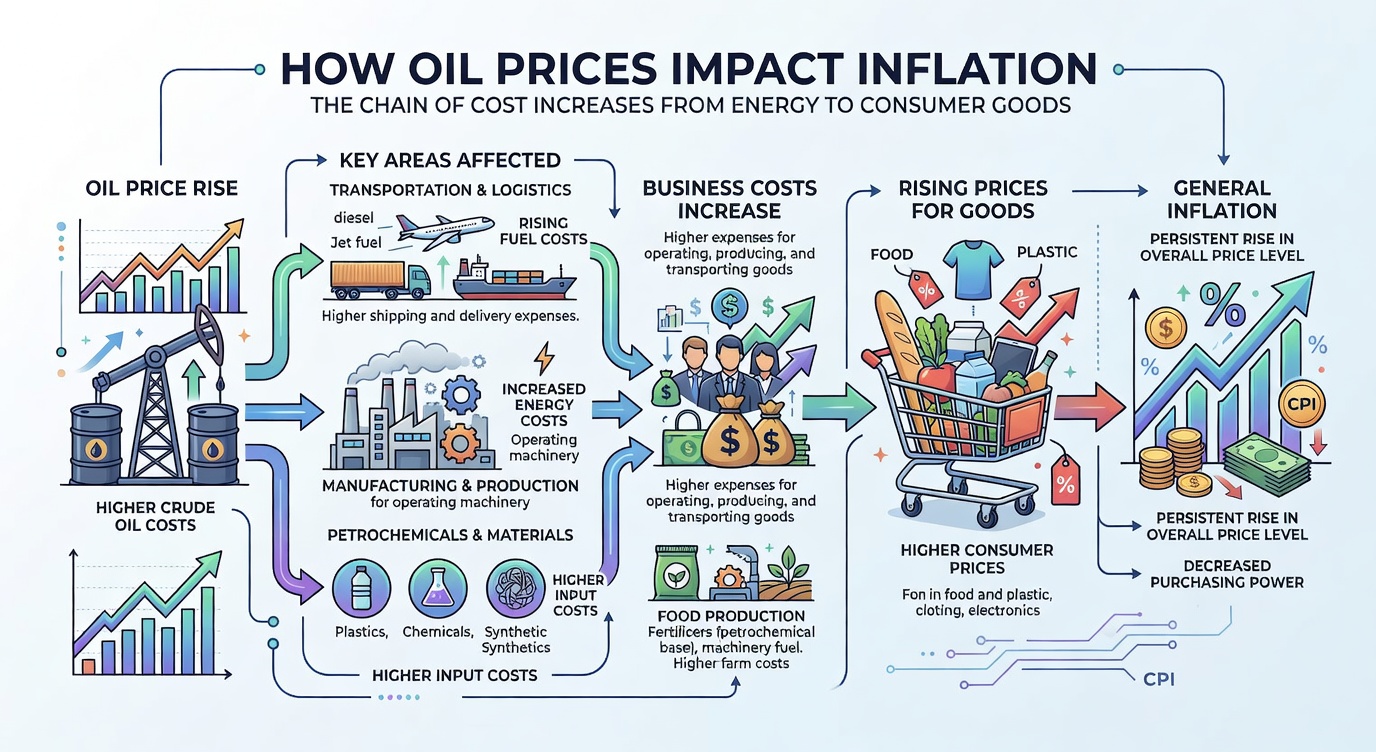
Wars and Investments
- Latest in Retirement Savings & Personal Finance
- Wars and Investments
- Oil Price and Inflation Infographic
- Market Overview
-

Special Report: Iran War, Oil Price & Your Investments
- Special Report: Iran War, Oil Price & Your Investments
- Tools & Tips: Asset Location Calculator
- Market Overview
-
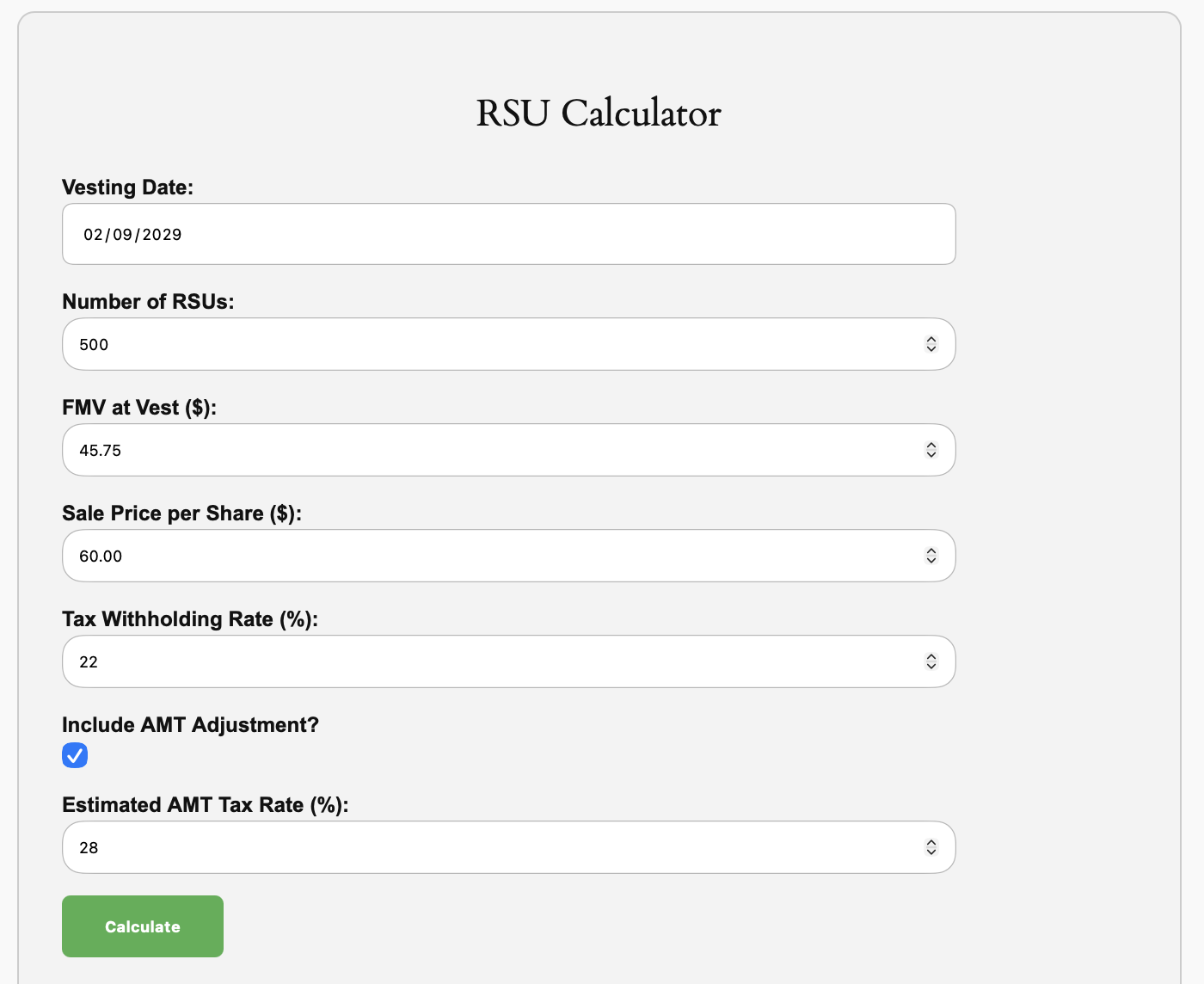
IRS Is Giving Out Money
- Latest in Retirement Savings & Personal Finance
- IRS Is Giving Out Money
- Tools & Tips: RSU (Restricted Stock Unit) Calculator
- Market Overview
-
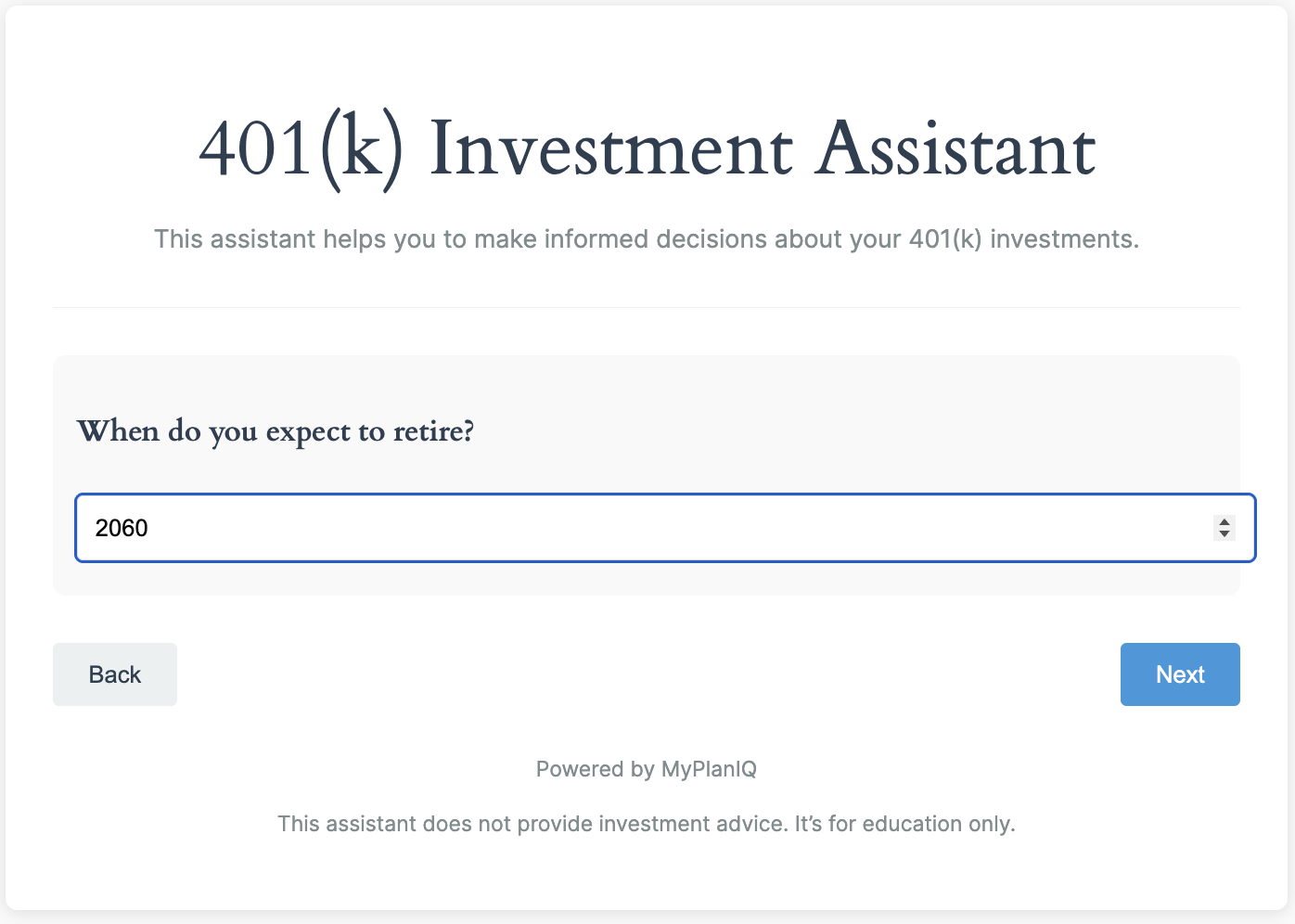
The Federal Reserve Bank and Your Money
- Latest in Retirement Savings & Personal Finance
- The Federal Reserve Bank and Your Money
- Tools & Tips: 401(k) Investment Assistant
- Market Overview
-
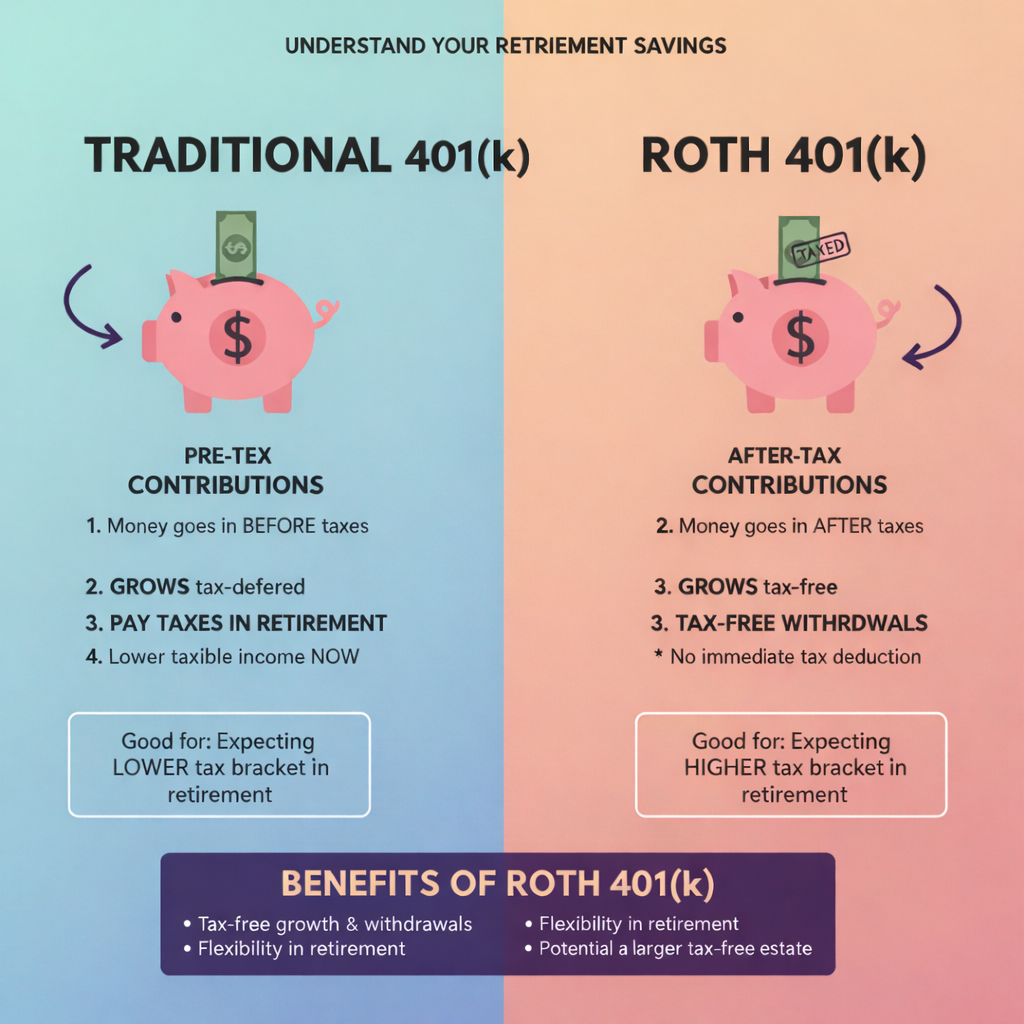
2026 Tax Season Begins Today
- Latest in Retirement Savings & Personal Finance
- 2026 Tax Season Begins Today
- Tools & Tips: Traditional 401(K) vs. Roth 401(K)
- Market Overview
-
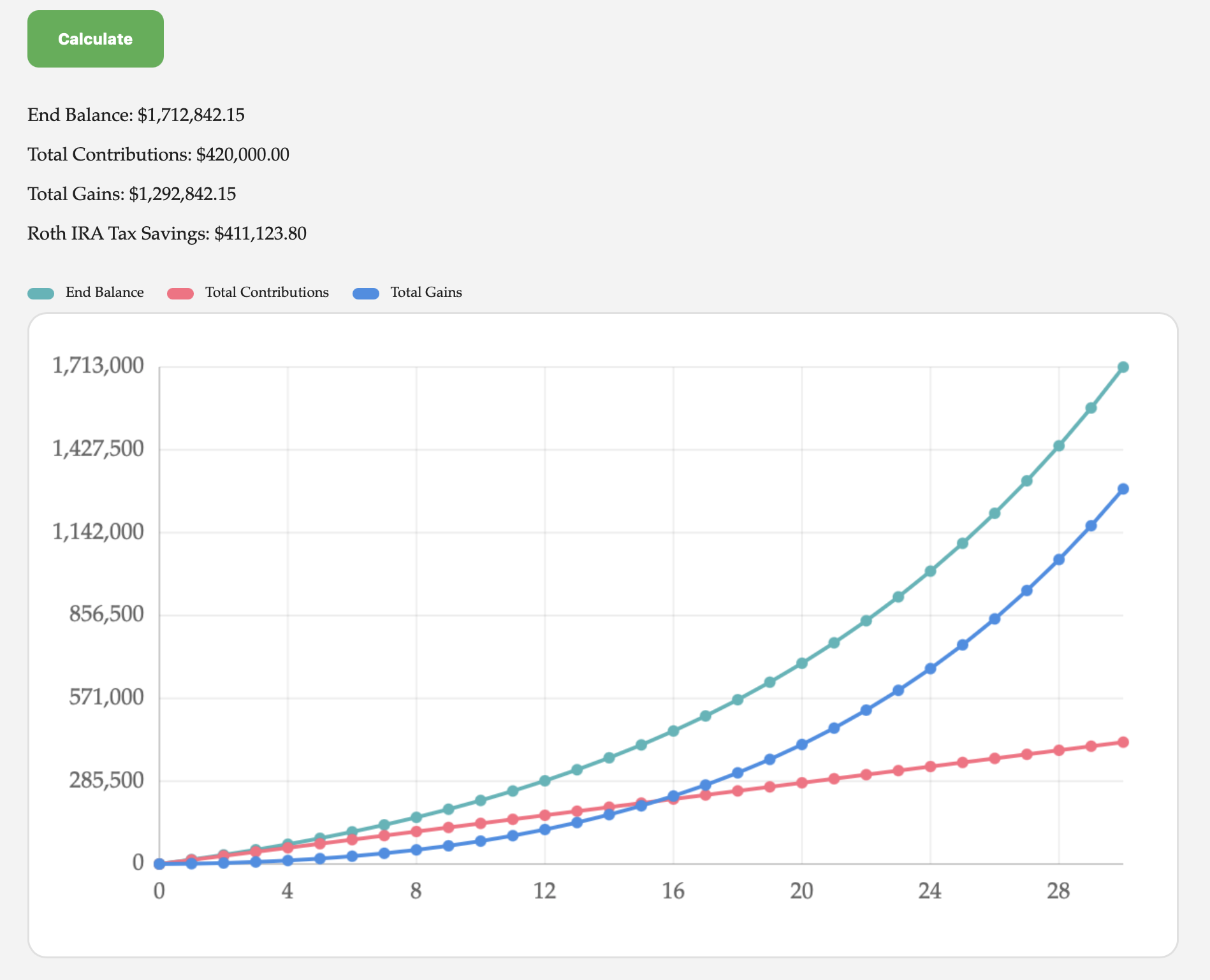
Useful Tips for 401(k)s, IRAs, and RMDs in the New Year
- Latest in Retirement Savings & Personal Finance
- Useful Tips for 401(k)s, IRAs, and RMDs in the New Year
- Tools & Tips: Roth IRA Compounding
- Market Overview
-

New Year Resolutions for Your Personal Finance
- Latest in Retirement Savings & Personal Finance
- New Year Resolutions for Your Personal Finance
- MyPlanIQ 2026 Market Outlook
-

2025 Crystal Ball Market Prediction Scorecard
- Latest in Retirement Savings & Personal Finance
- Stock Market Bubble & Retirement Savings
- Tools & Tips: Retirement Spending Calculator
- Market Overview
-
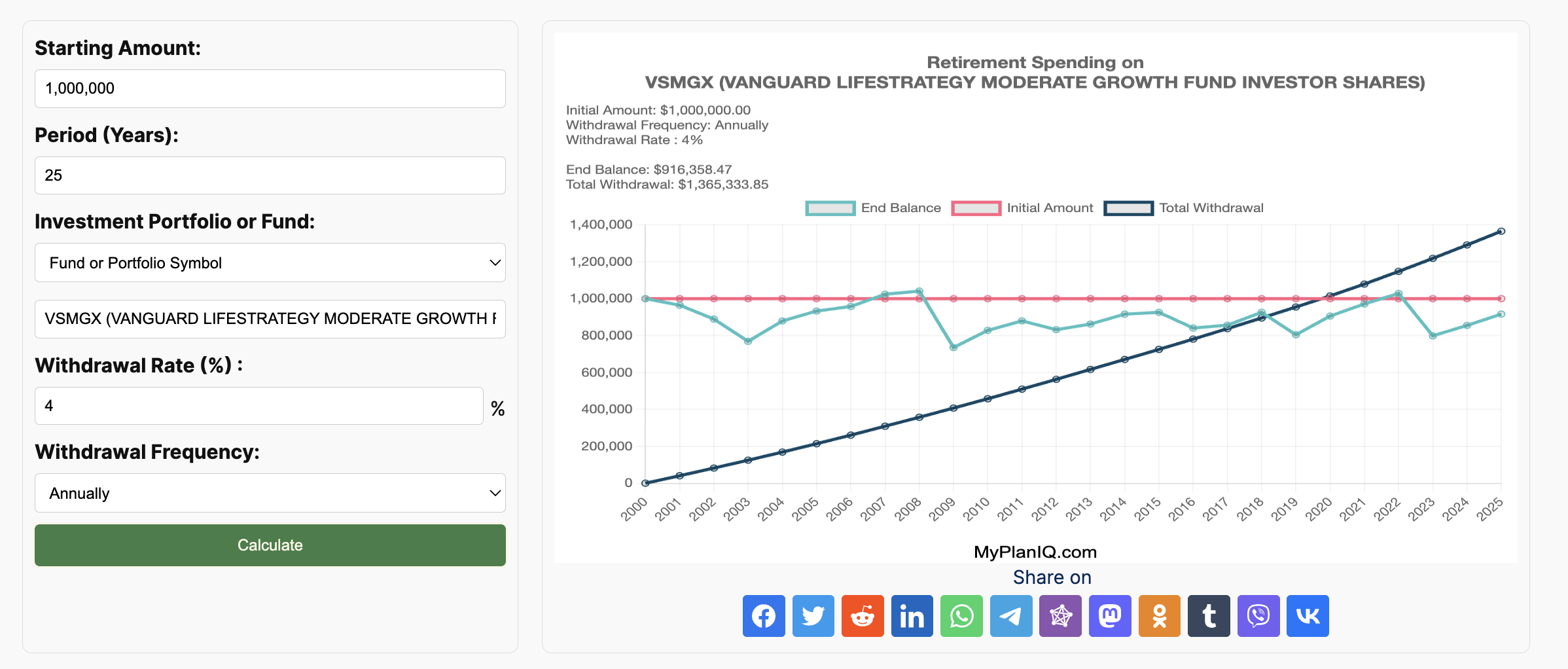
Stock Market Bubble & Retirement Savings
- Latest in Retirement Savings & Personal Finance
- Stock Market Bubble & Retirement Savings
- Tools & Tips: Retirement Spending Calculator
- Market Overview
-
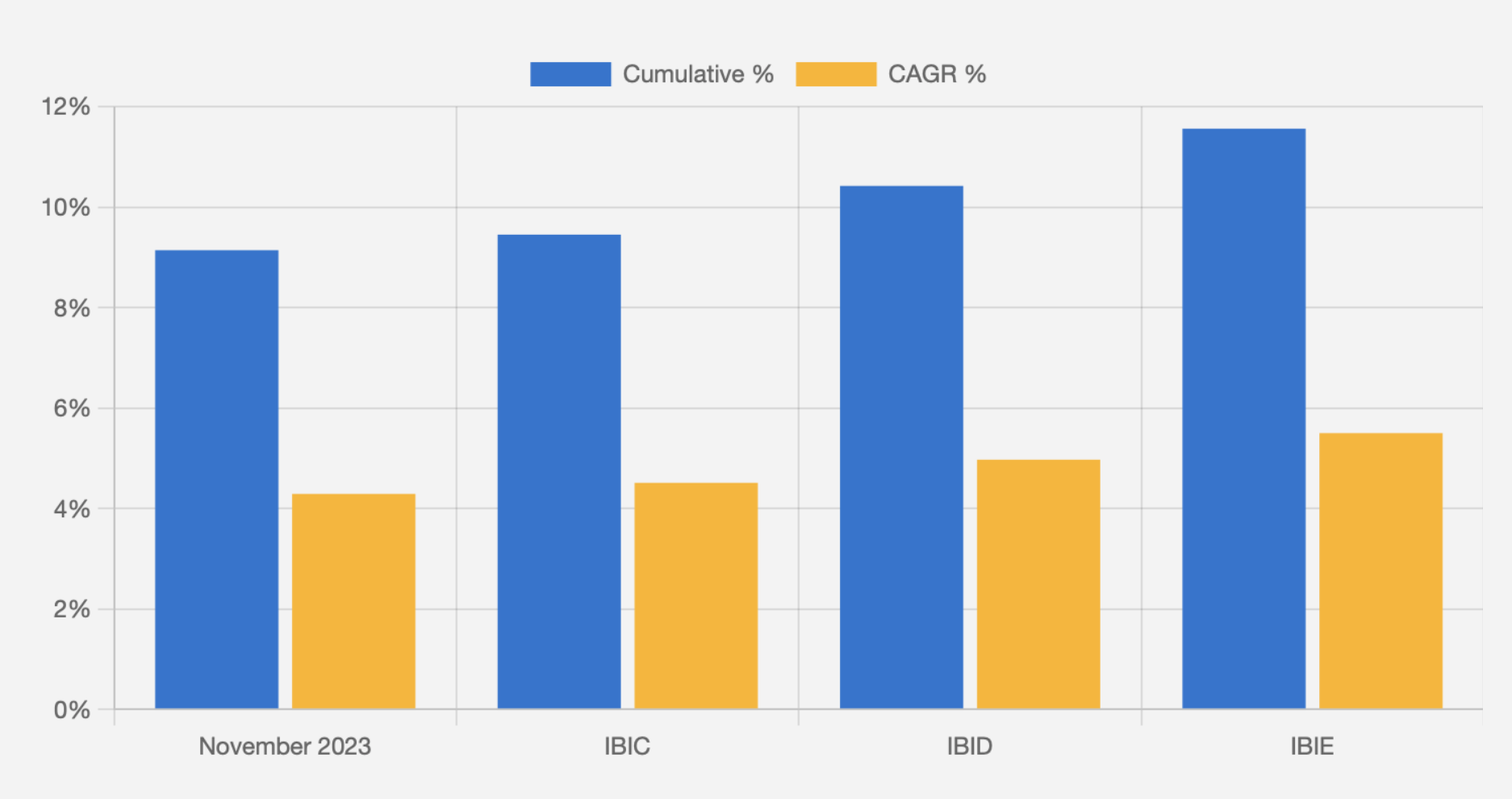
Retirement Savings To Help Student Loan Payments
- Latest in Retirement Savings & Personal Finance
- Retirement Savings To Help Student Loan Payments
- Tools & Tips: I-Bond Comparison Calculator
- Market Overview
-
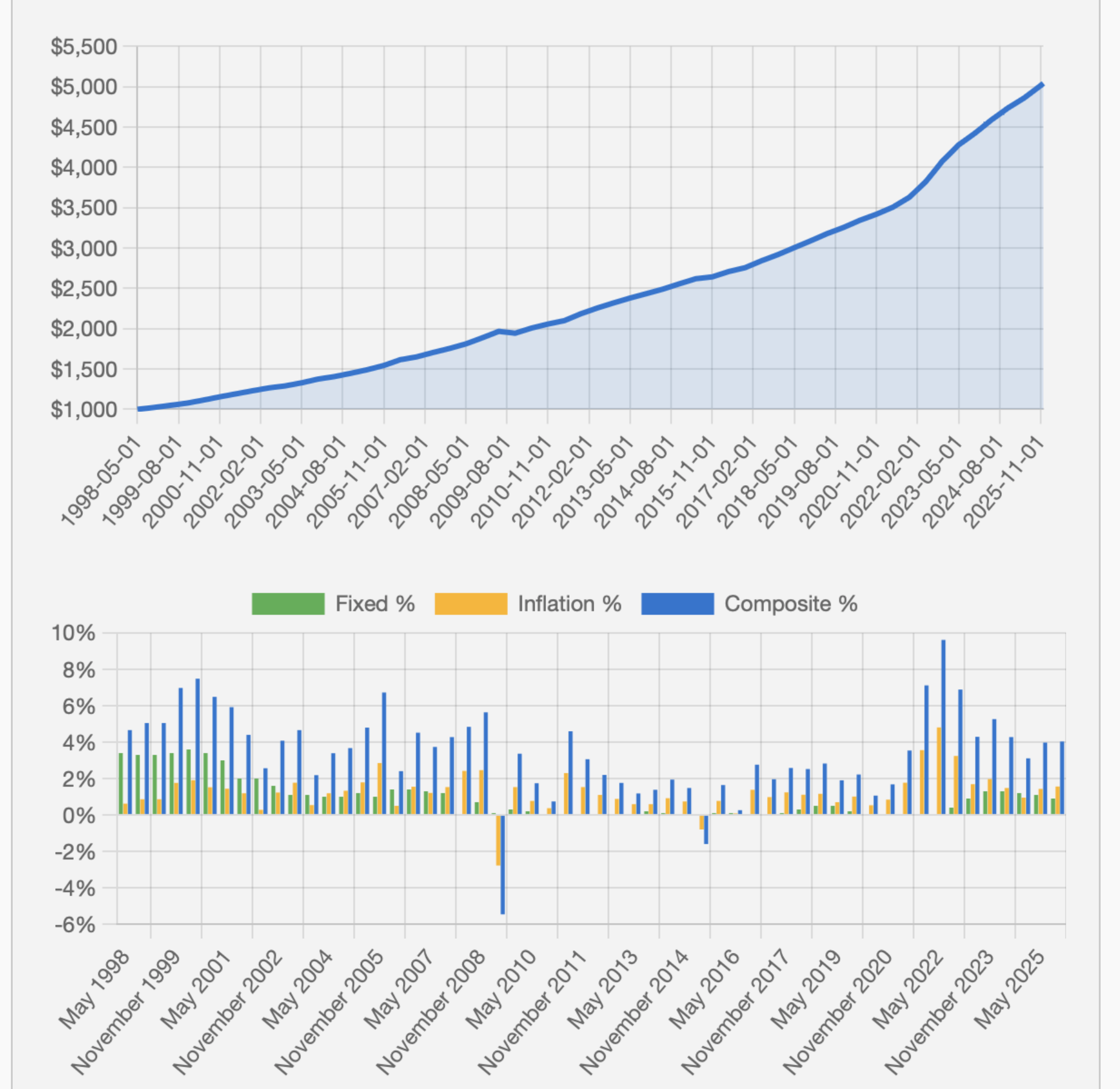
Series I Savings Bonds: Good Time to Buy?
- Latest in Retirement Savings & Personal Finance
- Series I Savings Bonds: Good Time to Buy?
- Tools & Tips: I-Bond Calculator
- Market Overview
-

Series I Savings Bonds: A Decent Shelter Against Inflation (If You Understand the Fine Print)
Is it worth to buy Series I Savings Bonds (I Bonds)? This article discusses what I Bond is and how it’s compared with money market and Inflation-Protected Securities (TIPs).
-
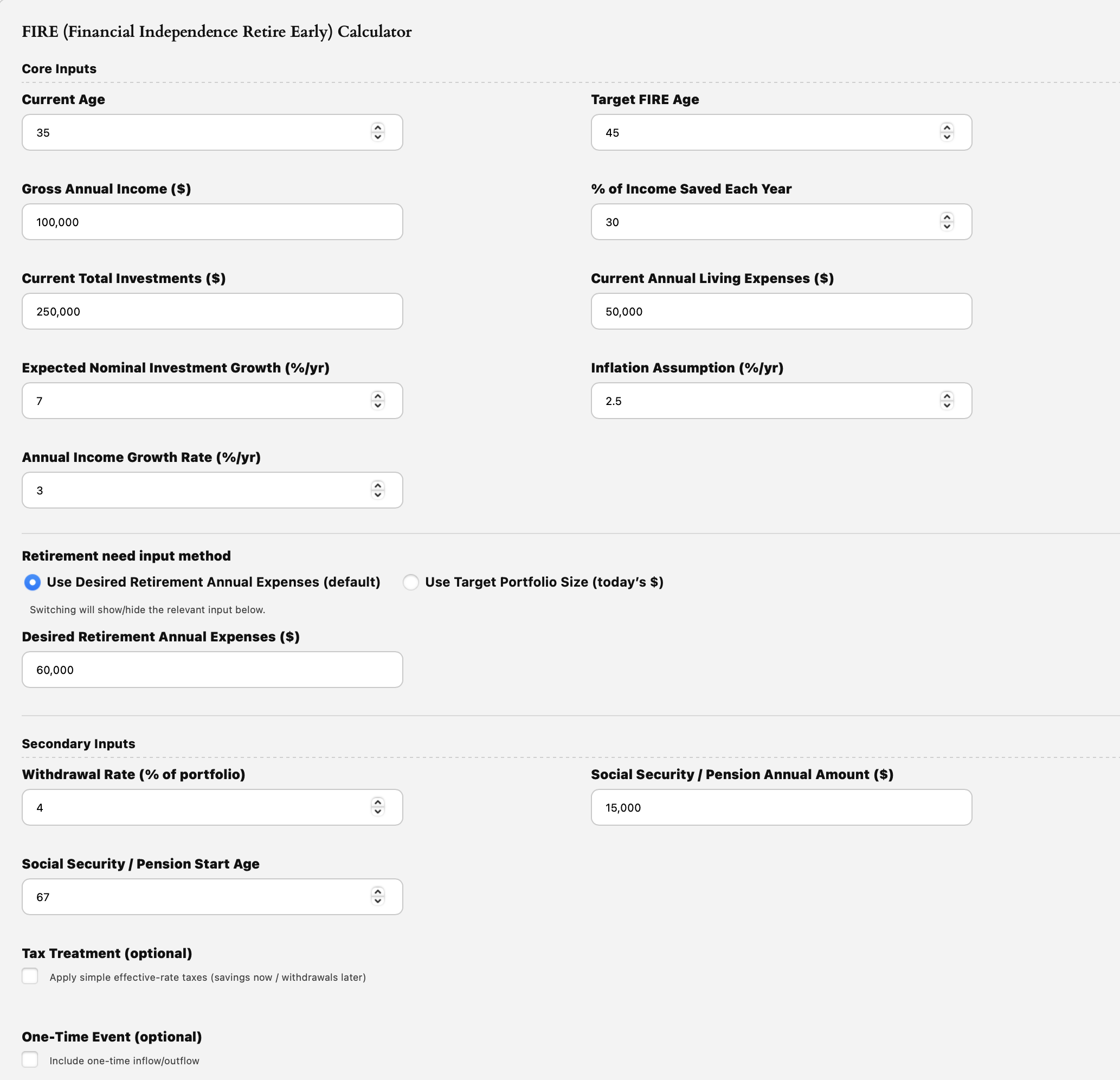
Good Time to FIRE (Financial Independence Retire Early)?
- Latest in Retirement Savings & Personal Finance: Fed to Cut Rate, AI Big Spend, Oracle of Oracle
- Good Time to FIRE (Financial Independence Retire Early)?
- Tools & Tips: FIRE (Financial Independence Retire Early) Calculator
- Market Overview
-
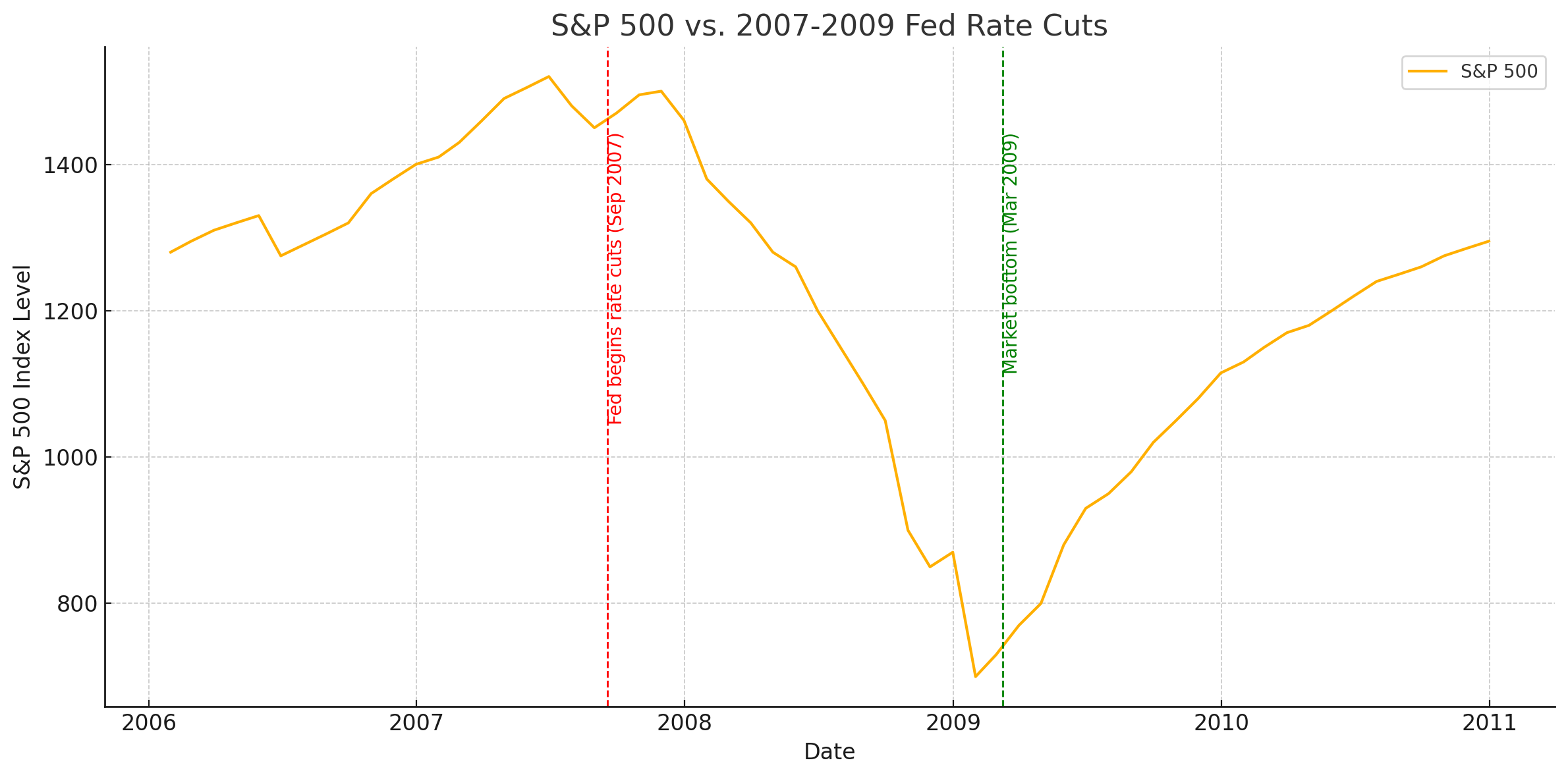
When the Fed Cuts Rates, What Really Happens to Stocks?
- Latest in Retirement Savings & Personal Finance: Job Growth Slowed, Gen Z Dipped into Retirement Savings, Best S&P 500 Earnings in Four Years
- When the Fed Cuts Rates, What Really Happens to Stocks?
- Tools & Tips: Total Compensation Calculator
- Market Overview
-

Why Actively Managed Bond Funds Outperform Index Funds More Often Than Stocks
Multiple research results now point to what seems like a consistent pattern: active bond funds tend to outperform their passive peers more often than stock funds do.
-
Certificates of Deposit (CDs) vs. Treasuries: The Key Pros and Cons Explained
In this article, we summarize the pros and cons between CDs and Treasuries for fixed-income investors. Key Differences Between Certificates of Deposit (CDs) and Treasuries Factor CDs Treasuries Security – FDIC-insured up to $250,000 per depositor per bank. + Backed by the full faith and credit of the U.S. government, Treasuries are considered among the safest investments, with security that surpasses even FDIC insurance. – Limited insurance coverage for amounts above $250,000 at each bank. + No limit to the amount of protection. Yield + Generally higher yields for maturities of 1 year or longer. – Typically lower yields for maturities over 1 year. – Lower yields for shorter maturities compared to Treasuries. + Higher yields for short-term maturities (less than 1 year). Note: this could possibly change so double check yields before purchase. Taxes – Subject to both federal and state income taxes. + Exempt from state income taxes. – State tax impact can reduce effective yield, especially in high-tax states. + More tax-efficient, especially in high-tax states. Maturities – Limited availability for maturities beyond 5 years. + Wide range of maturities (4 weeks to 30 years). – Flexibility can be restricted depending on the bank’s capital needs and availability of brokered CDs in a brokerage like Schwab or Fidelity. + Extensive maturity options between 2023–2053. Liquidity – Less liquid, may involve fees or uncertainty of receiving original principal if sold early. + More liquid, with an active secondary market for easy resale. – Brokered CDs can be sold in secondary markets but may involve a fee. + Easier to sell with tighter bid/ask spreads. Strategy Considerations – Fewer maturity options for building a maturity CD ladder. + Easier to build a flexible bond ladder portfolio. Convenience + Banks often promote CDs with lower yields. – Has to rely on Brokerage to purchase/sell Treasuries most times Detailed Tax Impact Comparison: State Tax Impact CDs Treasuries For High-Tax States – State income taxes can reduce yield significantly (e.g., California, New York). + State income tax exemption offers a clear tax benefit. Example – In California, a 3-year CD yielding 3.90% after state taxes drops to 3.38%. + A 3-year Treasury yielding 3.51% remains unaffected by state taxes. Breakeven Tax Rate – For a CD to equal a Treasury’s yield, a state tax rate of ~10% or more may be required. + More tax-efficient for investors in high-tax states. Conclusion In summary:
