Strongly Backed By Academic Research, Widely Practiced By Wealth Managers
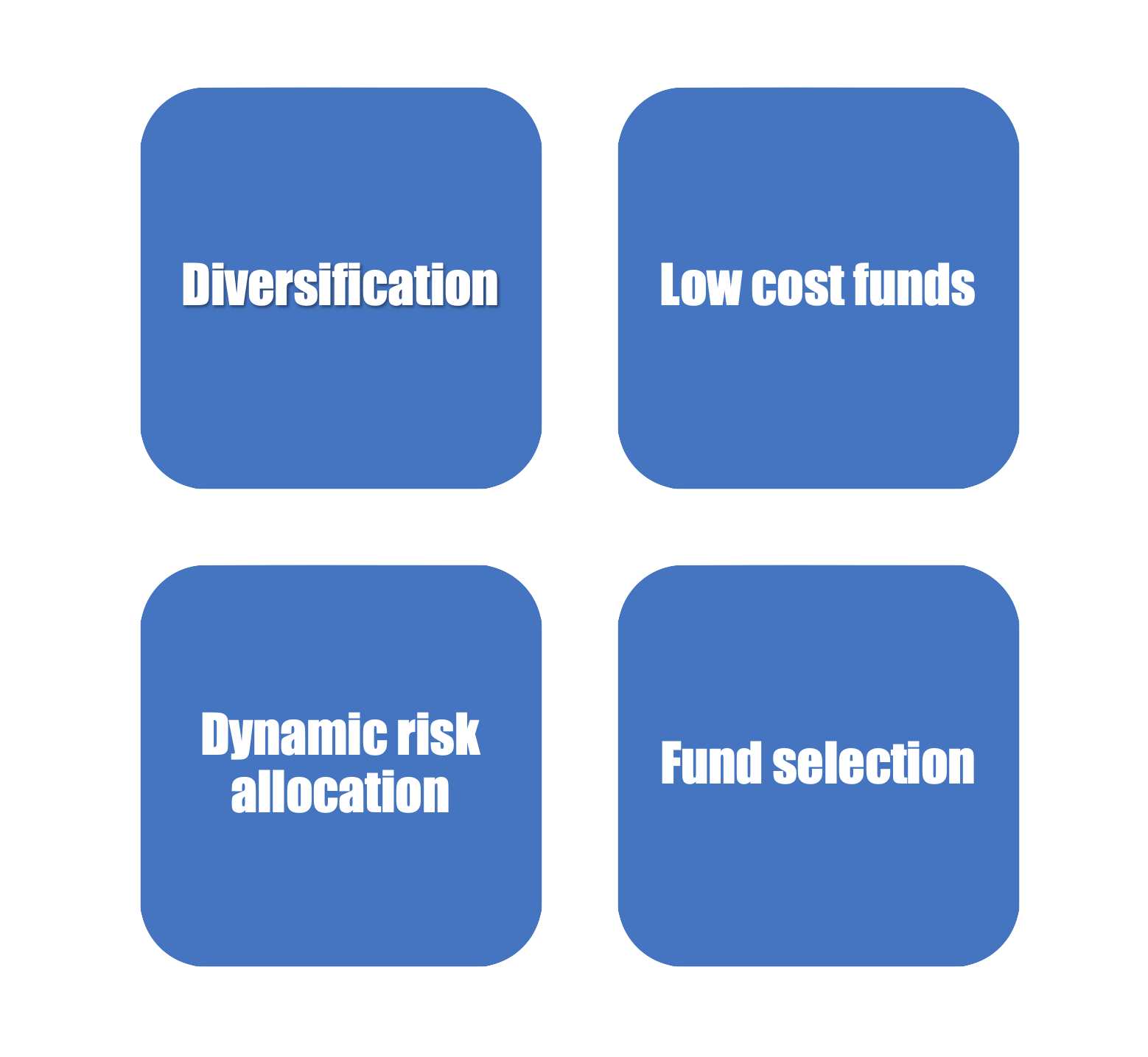
MyPlanIQ portfolios are built on:
- Diversification with Asset allocation
- Ultra low cost stock index ETFs and excellent bond funds
- Market condition driven risk allocation to avoid big loss
- Momentum based fund selection
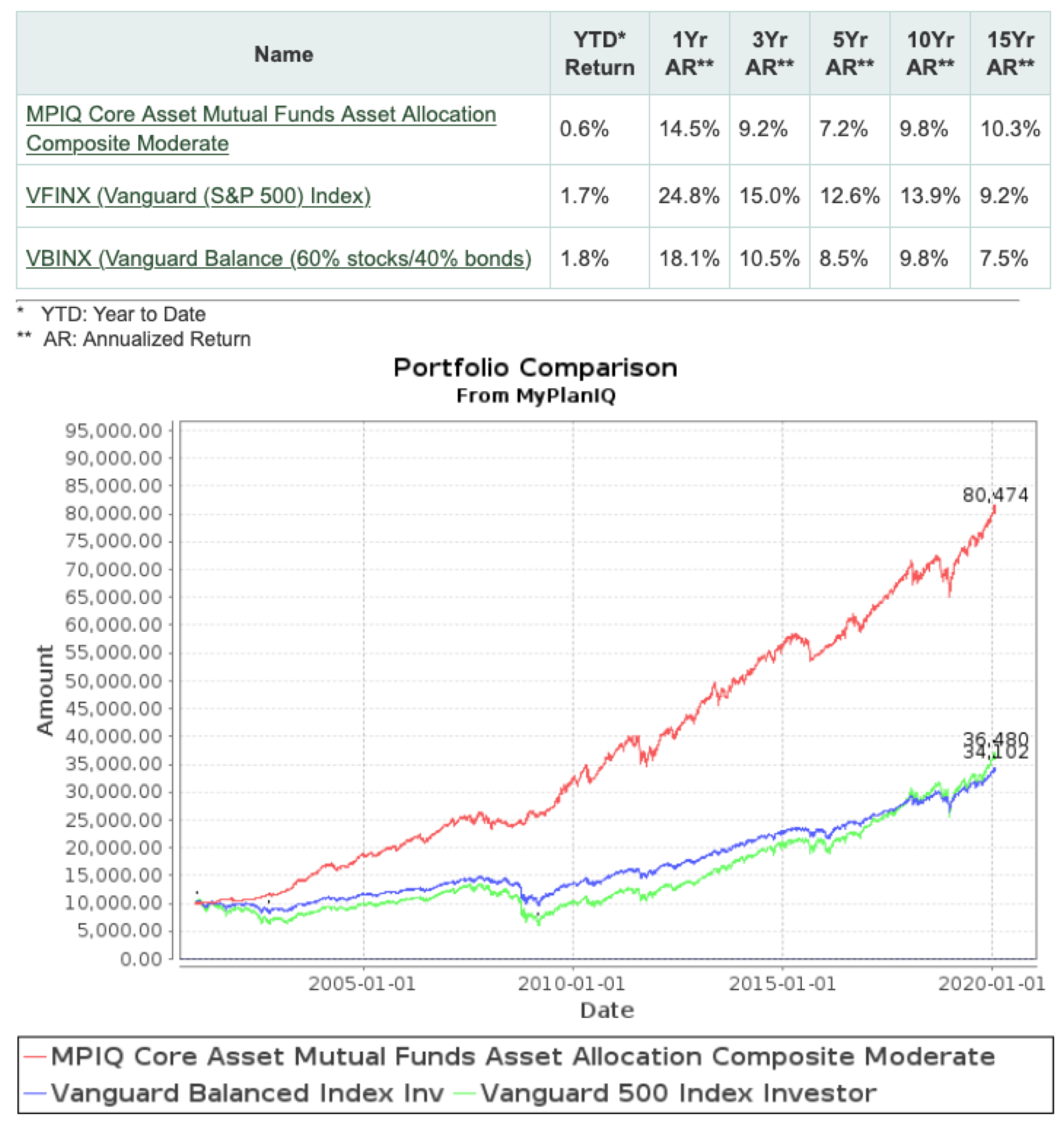
Result: Historically better investment returns with lower risk
Global asset allocation
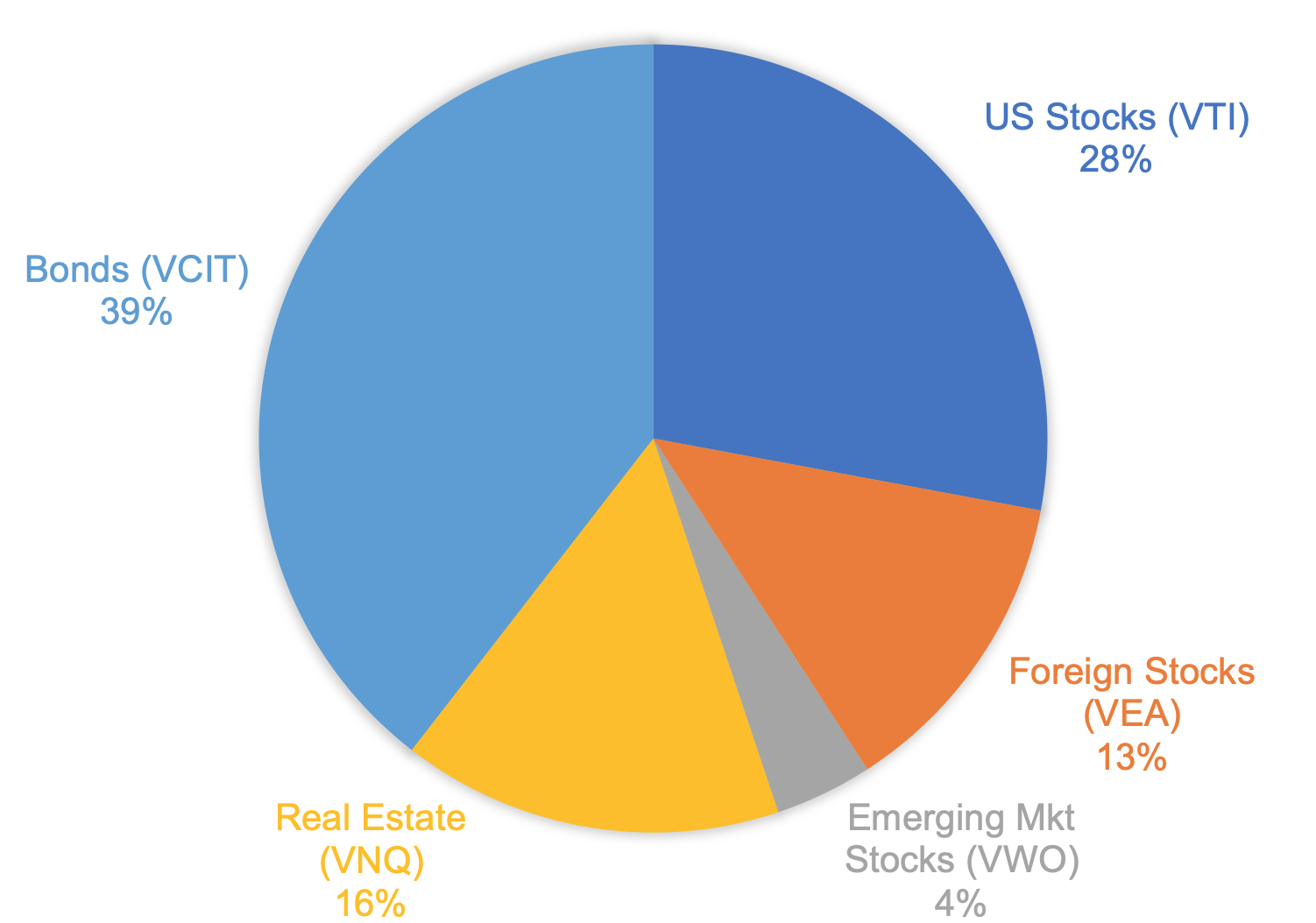
Academic studies show proper asset allocation determines most gains (see research article) while reducing risk because of diversification.
MyPlanIQ Portfolios invest in major assets including US stocks, foreign stocks, emerging market stocks, real estate investment trusts and a spectrum of bond funds
Using index stock ETFs that invest thousands of stocks in one fund, dramatically reducing individual stock risk
Ultra low cost funds
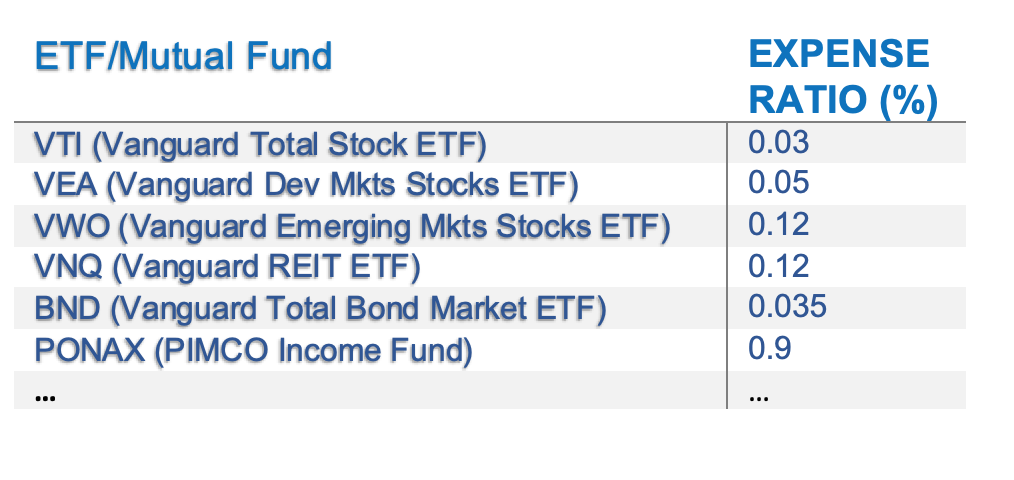
Research and historical practical data have indicated that
- for stock investing, low cost index funds are much better choices than pricey active funds;
- for fixed income/bond investing, rotation among total return bond funds managed by excellent managers or low cost index ETFs has the best returns.
Tactical risk management
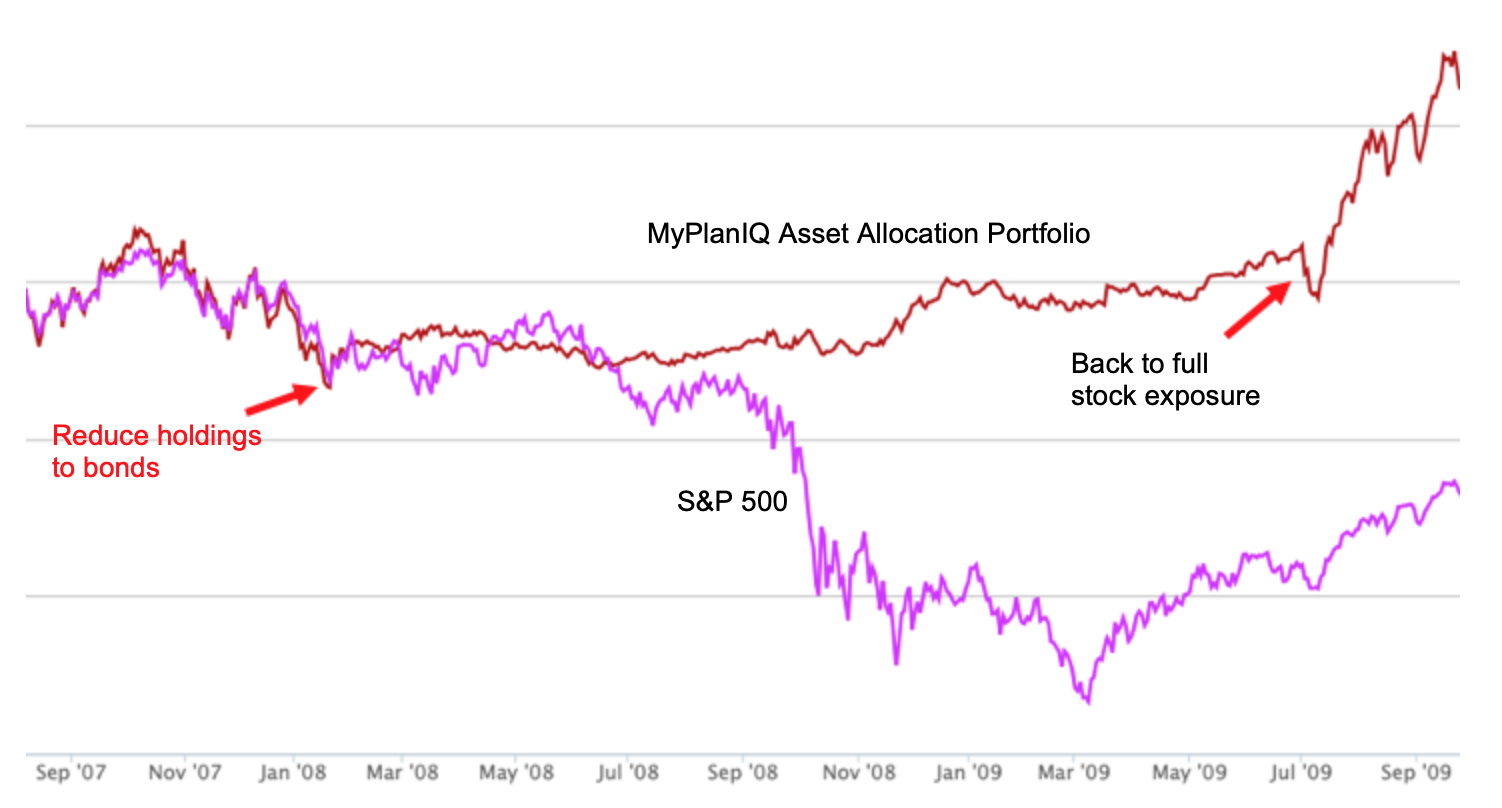
Financial markets are volatile. MyPlanIQ portfolios can reduce stock and other asset exposures when market conditions are signaling high risk. We use stock price momentum, credit risks and other economic and valuation metrics to gauge market conditions. Long running historical data have indicated that they can dramatically avoid large loss while even increasing long term returns.
Momentum based fund selection
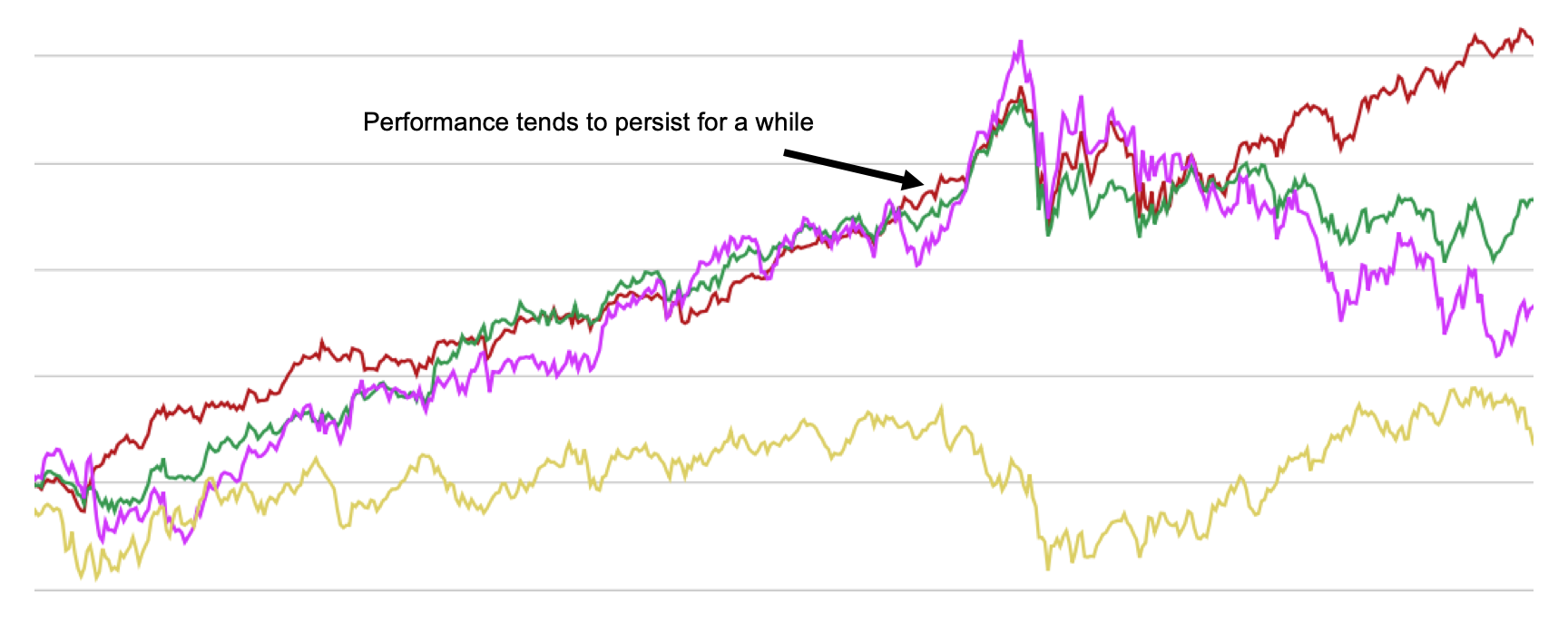
Research has indicated that funds or stocks possess momentum effect: funds doing well will continue to do well for a while
- for stock investing, periodically selecting top performing funds from a list of factor or broad based index ETFs can significantly improve long term returns;
- for fixed income/bond investing, peridoically selecting top performing funds from a list of bond ETFs or excellent total return bond mutual funds can even outperform the best bond funds or portfolios.
The overall flow
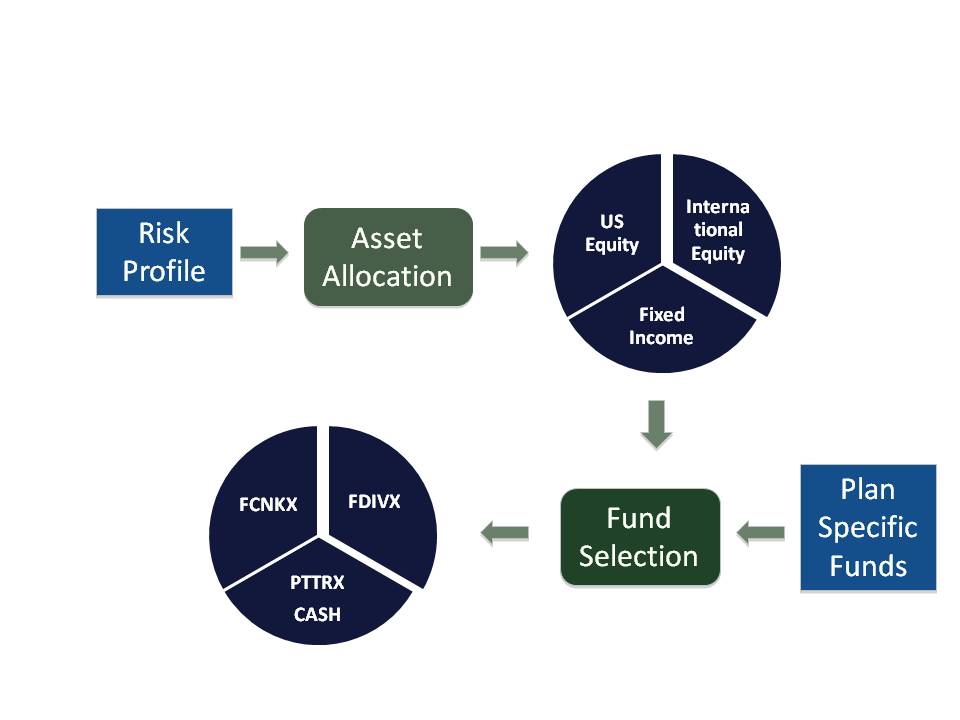
Users first decide their personal risk profile. You can use our get started flow to help you decide your risk asset (stocks) target allocation. You might want to consult an financial advisor if your finance situation is complicated.
MyPlanIQ asset allocation strategies (Asset Allocation Composite (AAC) , by default*) use the personal risk profile to drive the asset allocation which is then mapped to the funds available in a plan such as a predefined retirement plan (401k, 403b) or a brokerage plan MyPlanIQ devises (or you, as an expert user, can devise a list of candidate funds as a private plan). This results in a portfolio totally customized to your risk profile and plan.
*: Other investing strategies include Strategic Asset Allocation (SAA) and Tactical Asset Allocation(TAA)
The result: historically better returns with lower risk